Citrus Plant Nutrition by Phenological Stage: A Complete Guide
A citrus orchard is never idle. It does not shed its leaves in winter, and while fruit ripens on the tree it is already preparing the buds for the following year. In some periods a tree can carry ripening fruit, new flush and flowers all at the same time.
In nutrition terms this means one thing: the approach of "we applied the fertiliser at the start of the season" does not work in citrus. What the tree does in each period is different, and each job has a different nutrient requirement.
In this guide we work through the phenological stages of citrus in order. For each stage we answer three questions: what is the tree doing, which element comes to the fore, and what needs watching?
Let us begin with a caution: the stage timings here are a general framework for Mediterranean conditions. Your orchard's elevation, the species and rootstock, the microclimate and the weather within a given year can shift this calendar. When building a programme, look at the tree rather than the calendar.
Three things that make citrus distinctive
Three characteristics set citrus apart from other fruit species and directly affect the nutrition programme.
1. It is chloride sensitive. Citrus is among the species sensitive to the chloride ion. Chloride-free forms therefore come to the fore when selecting a potassium source. Potassium sulphate based sources fall into this group; Markka's Aviator (25% K₂O, 42% SO₃) has this structure.
2. It is salinity sensitive. Citrus is a relatively sensitive group when it comes to salt stress. The EC value of irrigation water and salt accumulation in the soil should be monitored closely in these orchards. We covered the subject in detail in our saline soil and high EC article.
3. It is prone to iron chlorosis on calcareous soil. A significant share of the areas where citrus is grown in Türkiye is calcareous and high in pH. Iron chlorosis is the most familiar problem in these orchards and the solution runs through chelate selection.
These three characteristics stand in the background of every stage below.
Stage 1: Winter dormancy and pre-flush preparation
What is the tree doing? Activity is at its lowest. However, the roots do not stop entirely and the tree holds in the trunk and roots the reserves it will use in spring.
What comes to the fore: This period is less a nutrition period than a soil preparation period.
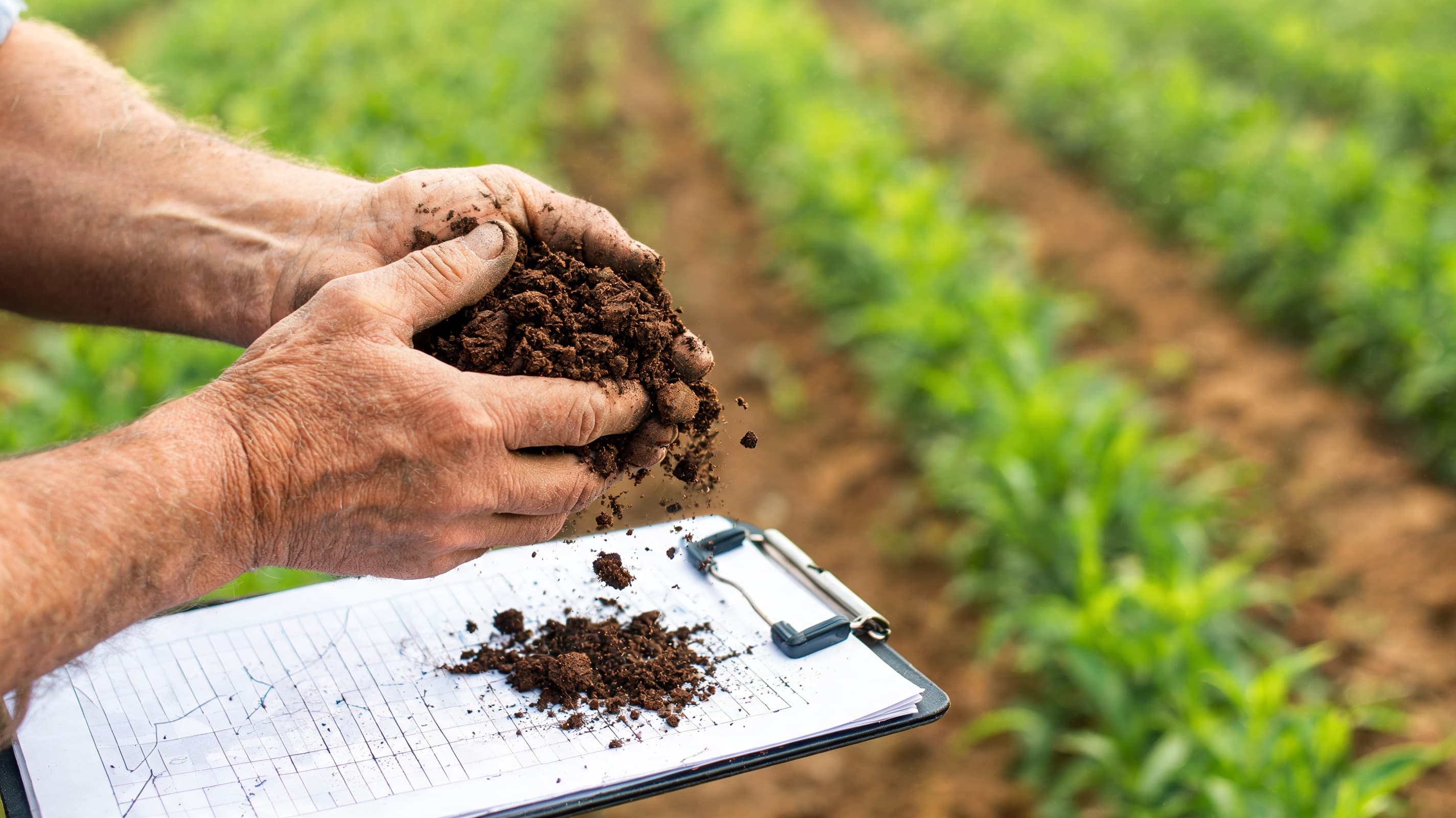
- Soil analysis. The new season's programme comes out of this report. We explained how to read it in a separate guide.
- Organic matter. Farmyard manure, compost and humic acid based products go into the soil in this period. Markka's Doca-22, Nexxus and Humiwicks are in this category.
- Drainage check. Citrus roots are not tolerant of oxygen-poor conditions. Points where winter rainfall collects should be resolved before the season begins.
Heavy nitrogen application is avoided in this period. Nitrogen uptake is already slow while the soil is cold, and part of what is applied may be leached by winter rainfall.
Stage 2: Bud swell and spring flush
What is the tree doing? As soil temperature rises the roots become active, buds swell and the spring flush begins. These shoots build the structure that will carry that year's flowers and fruit.
Elements that come to the fore:
- Nitrogen. The main element of shoot development. If the soil has not fully warmed, nitrate-weighted sources provide a more dependable start because nitrate does not wait for microbial conversion. We compared the differences between forms in our nitrogen forms article.
- Phosphorus. Comes to the fore as root activity revives. Because phosphorus tends to become fixed on calcareous soil, placement close to the root is preferred.
- Zinc. In citrus, zinc is the critical element of the pre-flush period. In deficiency, new leaves stay small, the areas between veins take on a pale yellow mosaic pattern, and rosetting appears on the shoots. In the field this picture is called "little leaf". Markka's Zinconit (10% Zn) and Zytra (6% Zn) are in this group; Nitrophos (5% N, 15% P₂O₅, 4% Zn) carries phosphorus and zinc together.
- Iron. If interveinal yellowing is starting on new flush in calcareous orchards, iron is involved. The chelate form is decisive. Markka's Fertiron contains 6% EDDHA iron, of which 4.8% is the ortho-ortho isomer, and Ferron also carries 6% EDDHA iron. Ferroling carries its iron as an EDTA chelate, which is less stable at high pH than EDDHA. You can find the detail in our iron chlorosis guide.
Rover-N (25% total nitrogen, plus 0.4% Fe and 0.2% Zn) is an example that combines this stage's requirements in a single product.
Stage 3: Flowering
What is the tree doing? Citrus flowers abundantly, but only a small proportion of those flowers becomes fruit. The aim in this period is not to increase the number of flowers but to support the fertilisation and set chances of the flowers that open.
Elements that come to the fore:
- Boron. Boron is the element required for pollen tube germination and for fertilisation to take place. In citrus, boron status before flowering is one of the determining headings for fruit set. However, boron has the narrowest gap between deficiency and excess of any element; the rate decision must rest on an analysis.
- Zinc. It works alongside boron and retains its importance in the pre-flowering period.
- Calcium. The fundamental element of cell wall construction, supporting the firmness of young tissue. Markka's Calciphine carries calcium and boron together with 15% CaO and 0.15% B; Maxxim Plus and Pascal Plus (12% CaO, 0.2% B) have the same structure.
Watch out in this period: Heavy nitrogen application during flowering can push the tree towards vegetative growth. Flowering is also when bees are most active in the orchard; application timing should take that reality into account.
We covered the role of zinc and boron in pollination and fruit set in a separate article.
Stage 4: Fruit set and physiological drop
What is the tree doing? After petal fall the tree carries far more small fruit than it can support. It sheds part of that load itself. In citrus, the period when this natural thinning is most intense is called "June drop", and it is a normal physiological event.
The severity of the drop, however, is affected by the tree's condition at the time. Water stress, sudden temperature swings, root problems and nutritional imbalances can all worsen it.
What comes to the fore:
- Calcium and boron. Support the cell structure of young fruit and the stem attachment.
- Stress management. Sudden heat and dry winds in late spring are the main risk source of this period. Seaweed based and amino acid containing products are used for support in this window. Markka's Algisea (15% organic matter, 0.6% alginic acid) and Diamente (42% organic matter, 14% free amino acid) are in this group.
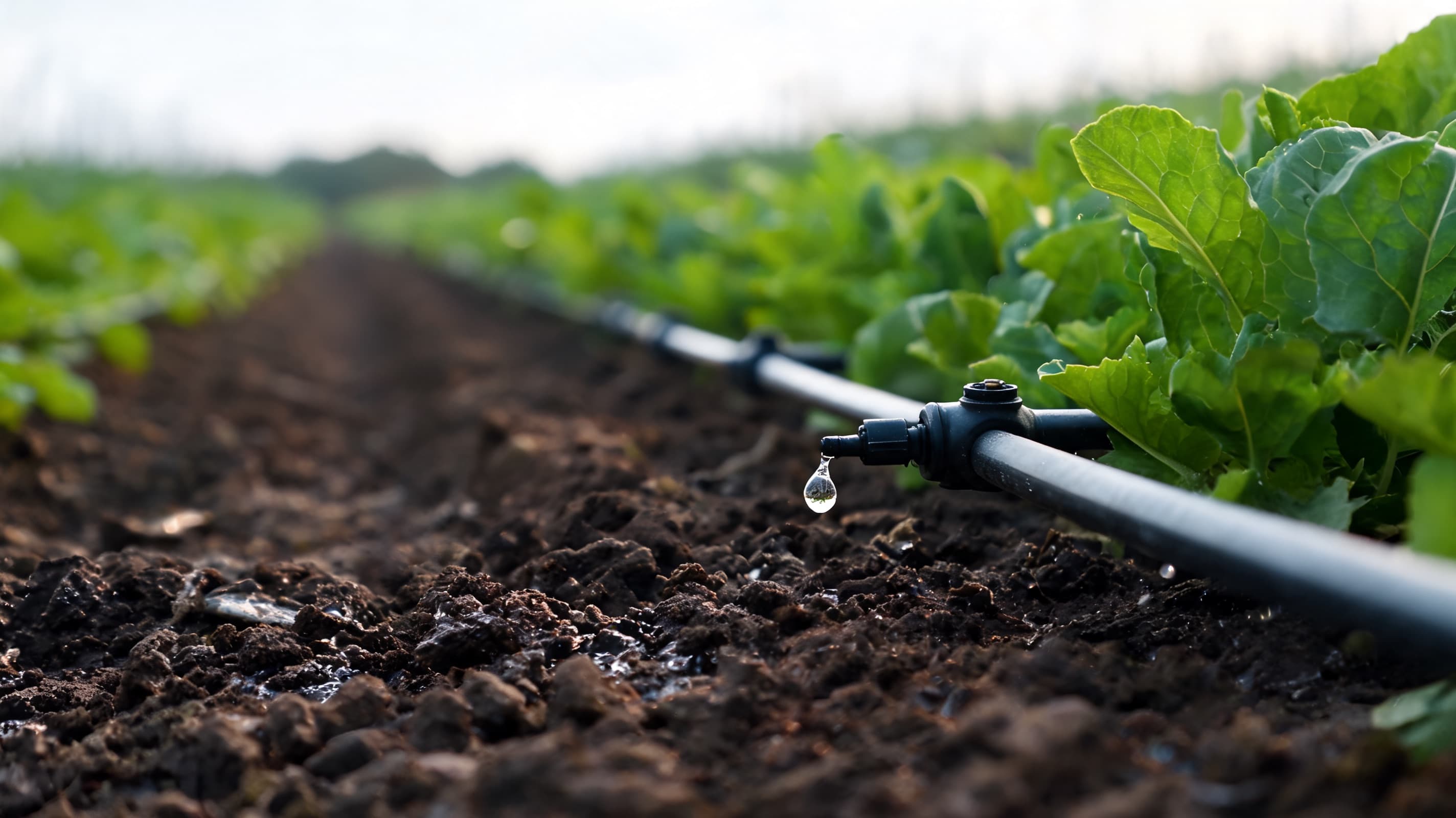
- Irrigation regime. If irrigation is interrupted or becomes irregular in this period, it can markedly affect the drop. We explained how to set up a fertigation regime in our drip fertigation guide.
Watch out in this period: When you see drop, the first response should not be to apply fertiliser. Check the water regime and root health first. Part of physiological drop is the tree's own balancing mechanism and preventing it entirely is not the goal.
Stage 5: Fruit growth
What is the tree doing? After the thinned fruit has fallen, the remaining fruit begins to grow. This is the long period of transition from cell division to cell expansion, when water fills the fruit. The tree may also produce a summer flush in the same window.
Elements that come to the fore:
- Balanced NPK. The tree is simultaneously growing fruit and maintaining leaf area. Balanced formulations such as Aventus (7% N, 7% P₂O₅, 7% K₂O) suit the structure of this period.
- Potassium. Its weighting begins to increase gradually here. Potassium plays a role in moving sugar from leaf to fruit and in the fruit's water balance.
- Magnesium. Magnesium deficiency has a distinctive appearance in citrus: yellowing on older leaves starts from the margin and tip, leaving a green area in an inverted V shape at the leaf base. This picture is more common in orchards running heavy potassium programmes, because potassium and magnesium compete for uptake. Master Comp Magnesium Sulphate (15% MgO, 28% SO₃) is the source for this need. We covered the detail in our magnesium deficiency article.
- Calcium. Supports the firmness of the rind structure.
- Manganese. Can be depleted alongside iron on calcareous soils. Phytomanganese (18% Mn, 3% Fe) and Shell-X Power (2% Mn, 2% Fe) are in this group.
Watch out in this period: Fluctuations in the irrigation regime during summer can lead to rind problems. A regular, uninterrupted water regime is the single most important heading of this period.
Stage 6: Ripening, colour break and harvest
What is the tree doing? The fruit completes its size, the rind colour turns, and the internal sugar and acid balance shifts towards maturity.
Elements that come to the fore:
- Potassium. The main element of this period. It plays a role in moving sugar into the fruit, in the fruit's water balance and in rind durability. Because of chloride sensitivity, sulphate-based sources are preferred. Aviator (25% K₂O, 42% SO₃) and VIP K-31 (31% K₂O) address this need. We covered potassium's role in fruit quality in a separate article.
- Pulling nitrogen back. Reducing the nitrogen weighting during ripening is a common approach. High nitrogen applied late can delay rind colour break and trigger new flush activity.
- Calcium. Stays in the programme for post-harvest durability and rind integrity.
Watch out in this period: For applications made close to harvest, observing the pre-harvest intervals stated on the product label and the relevant regulations is essential.
Stage 7: Post-harvest
What is the tree doing? Harvest is the end of a demanding period for the tree. From this point its priority is rebuilding the reserves that will carry the following year's flowers.
What comes to the fore:
- Reserve nutrition. Applications made in the post-harvest period are preparation for the following year's flush and flower quality. In citrus this period is often skipped, yet the foundation of next season is laid here.
- Zinc and micronutrients. Post-harvest micronutrient support is a common practice in citrus.
- Soil analysis. A sample taken as the season ends is the input to the following year's programme.
Deficiency pictures specific to citrus
| Symptom | Which leaves | Appearance | Likely cause |
|---|---|---|---|
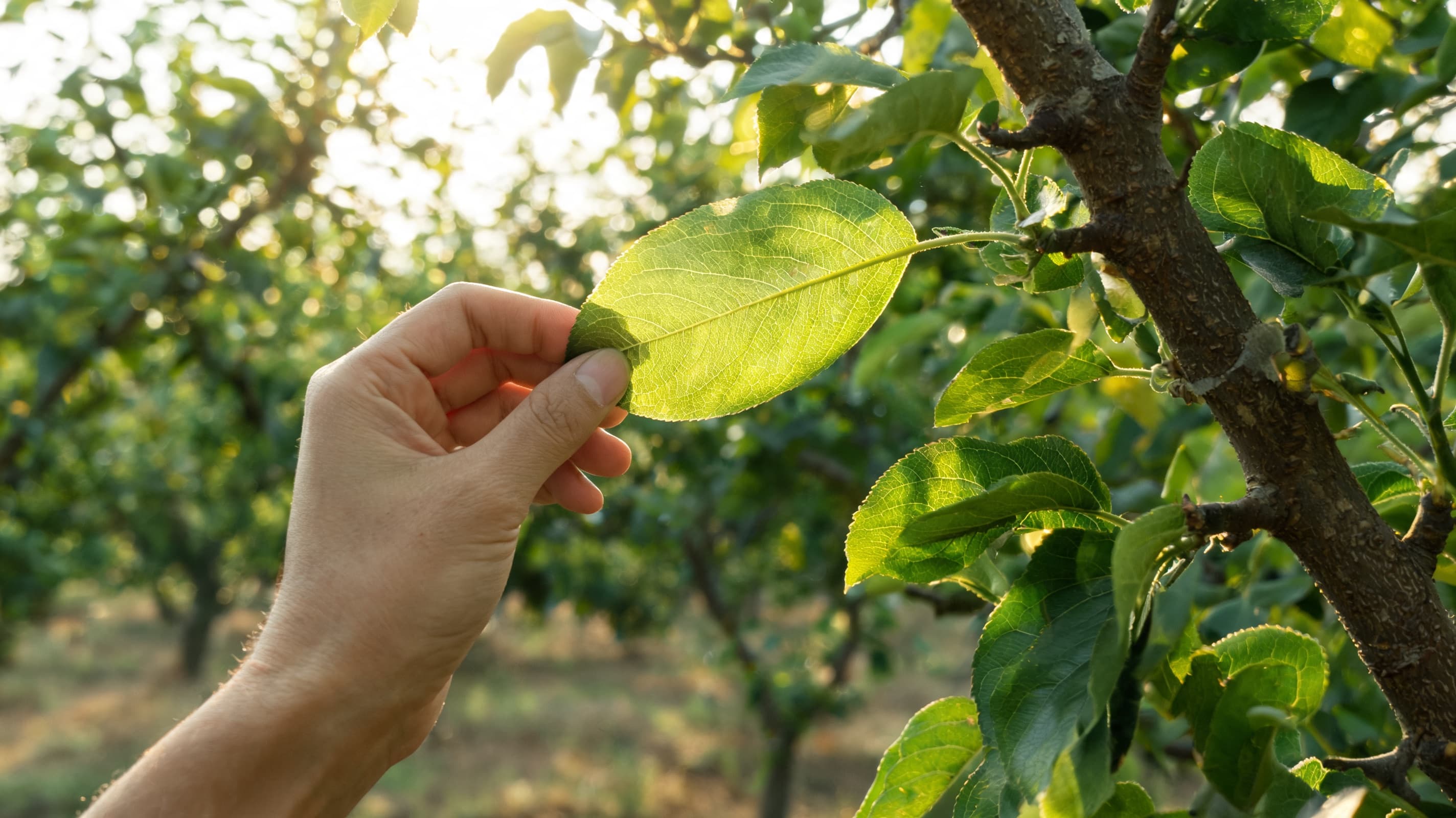
| Interveinal yellowing, veins a fine green network | Young, top leaves | Pale yellow, sometimes ivory background | Iron deficiency |
| Small leaves, pale yellow interveinal mosaic | Young leaves | Rosetting on shoots, short internodes | Zinc deficiency |
| Yellowing from margin and tip, inverted V green area at base | Older leaves | Green area remains at the leaf base | Magnesium deficiency |
| Diffuse interveinal yellowing, wide green vein band | Young and middle leaves | Paler and more diffuse than iron | Manganese deficiency |
| Brown scorch at leaf margin | Older leaves | Drying from margin inward | Potassium deficiency or salt pressure |
| General uniform yellowing, weak flush | Older leaves | No vein distinction | Nitrogen deficiency |
This table makes field diagnosis easier, but visual diagnosis is always a hypothesis. In citrus orchards, iron, zinc and manganese deficiencies frequently occur together and the pictures overlap. For a firm conclusion, leaf analysis and soil analysis are evaluated together.
Common mistakes
- Squeezing the whole year into one application. Citrus works year-round. A single dose at the start of the season will not meet the potassium demand of the ripening period.
- Using a chloride-based potassium source. Citrus is chloride sensitive. Source selection follows that fact.
- Applying non-chelated iron on calcareous soil. At high pH, iron in sulphate or oxide form usually gives no result.
- Raising potassium and forgetting magnesium. These two compete for uptake. The inverted V appearance is usually the sign of this mistake.
- Mistaking physiological drop for disease. Part of June drop is normal. Water and root status are checked first.
- Skipping the post-harvest period. Next year's flowers are prepared in this year's post-harvest window.
- Not analysing the irrigation water. In a salinity-sensitive group, water quality is as decisive as fertiliser.
Frequently Asked Questions
When should citrus be fertilised? Because citrus does different jobs throughout the year, nutrition is not compressed into a single time. In general terms, nitrogen, phosphorus and zinc come to the fore before the spring flush; boron, zinc and calcium before flowering; balanced NPK and magnesium during fruit growth; and potassium during ripening. Applications made after harvest are preparation for the following year. The exact calendar varies by region, species, rootstock and the weather in a given year.
Why do lemon leaves turn yellow? Which leaves are affected and how the yellowing looks determines the cause. If the veins stay as a fine green network on young leaves while the tissue between them is yellow, iron deficiency comes to the fore, particularly on calcareous soils. If young leaves are staying small with a mosaic pattern, zinc is considered. Yellowing on older leaves that starts at the margin and leaves an inverted V shaped green area at the base is the typical appearance of magnesium. Overwatering, root suffocation and salt pressure can also cause yellowing, so the diagnosis should be confirmed with an analysis.
Which potassium source should be used in citrus? Citrus is among the chloride-sensitive species, so chloride-free sources are preferred. Potassium sulphate based products are in this group and the sulphur they bring can be an additional contribution on calcareous soils. Potassium nitrate is also a chloride-free option and carries nitrogen in nitrate form. Source selection is made according to soil analysis, irrigation water quality and the requirement of the period.
How can June drop be reduced? Part of June drop is the tree's own thinning and preventing it entirely is not the goal. However, the factors that intensify it can be managed. Uninterrupted, regular irrigation is the most decisive heading in this period. Adequate calcium and boron status, and supporting the tree through periods of sudden heat and dry wind, also help. When you see drop, the first thing to check is not fertiliser but the water regime and root health.
Why is iron chlorosis so widespread in citrus? Because a significant share of the areas where citrus is grown in Türkiye is calcareous and high in pH. At high pH, iron converts into compounds the plant cannot take up. The iron is present in the soil but the plant cannot reach it. Under these conditions, iron sources in sulphate or oxide form usually give no result; the EDDHA chelate form, which maintains stability at high pH, is preferred, and the ortho-ortho isomer proportion is the measure of that stability.
Conclusion
Citrus nutrition is not a fertiliser list, it is a matter of reading a calendar. The tree wants nitrogen and zinc while it flushes, boron and calcium while it flowers, balance and magnesium while it grows fruit, and potassium while it ripens. After harvest, preparation for the following year begins.
When you follow this cycle, your decisions rest not on guesswork but on the job the tree is doing at that moment. Rate and product selection then become clear through soil analysis, leaf analysis and the product label.
If you would like to review your orchard's analysis results together and build a stage-appropriate framework, reach us via our contact page or consult your nearest Markka distributor. You can review our product groups in our product catalogue.