Nutrient Management in Saline Soil and High-EC Irrigation Water
Your irrigation water may look fine. But salinity is invisible — it accumulates in the root zone, makes water uptake harder, and reduces yield quietly. Across the Mediterranean basin, arid inland regions, and the MENA area, salinity is a problem many growers fight without recognizing it. This guide explains what salinity does to the plant, why EC and pH monitoring is non-negotiable, and how to build a sound nutrition strategy under saline conditions, from an agronomist's perspective.
What are salinity and EC?
Salinity is the accumulation of dissolved salts in soil or irrigation water. The main sources are sodium, chloride, calcium, magnesium and sulfate ions.
EC (Electrical Conductivity) is an indirect measure of the dissolved salt content in water or soil. As salt increases, water conducts electricity better, so EC rises. EC is usually expressed in dS/m (deciSiemens per meter) or mS/cm; the two units are numerically equal.
EC is not a fertilizer reading — it reflects the total ionic load in solution. That is why applying fertilizer also raises EC. Under saline conditions, what matters is keeping total EC in the root zone below the threshold the crop can tolerate.
How salinity affects the plant
High salinity harms the plant through three distinct mechanisms. Understanding each separately is the first condition for choosing the right response.
1. Osmotic stress — thirsty amid water
Roots draw water from soil by osmosis. As salt in the soil solution rises, the root must spend more energy to pull water in. In an excessively saline soil, water is physically present but the plant cannot take it up. This is often called "physiological drought": the field is moist, yet the plant wilts.
Early signs of osmotic stress include midday wilting, slowed growth, and darkened, dull foliage.
2. Ion toxicity — sodium and chloride buildup
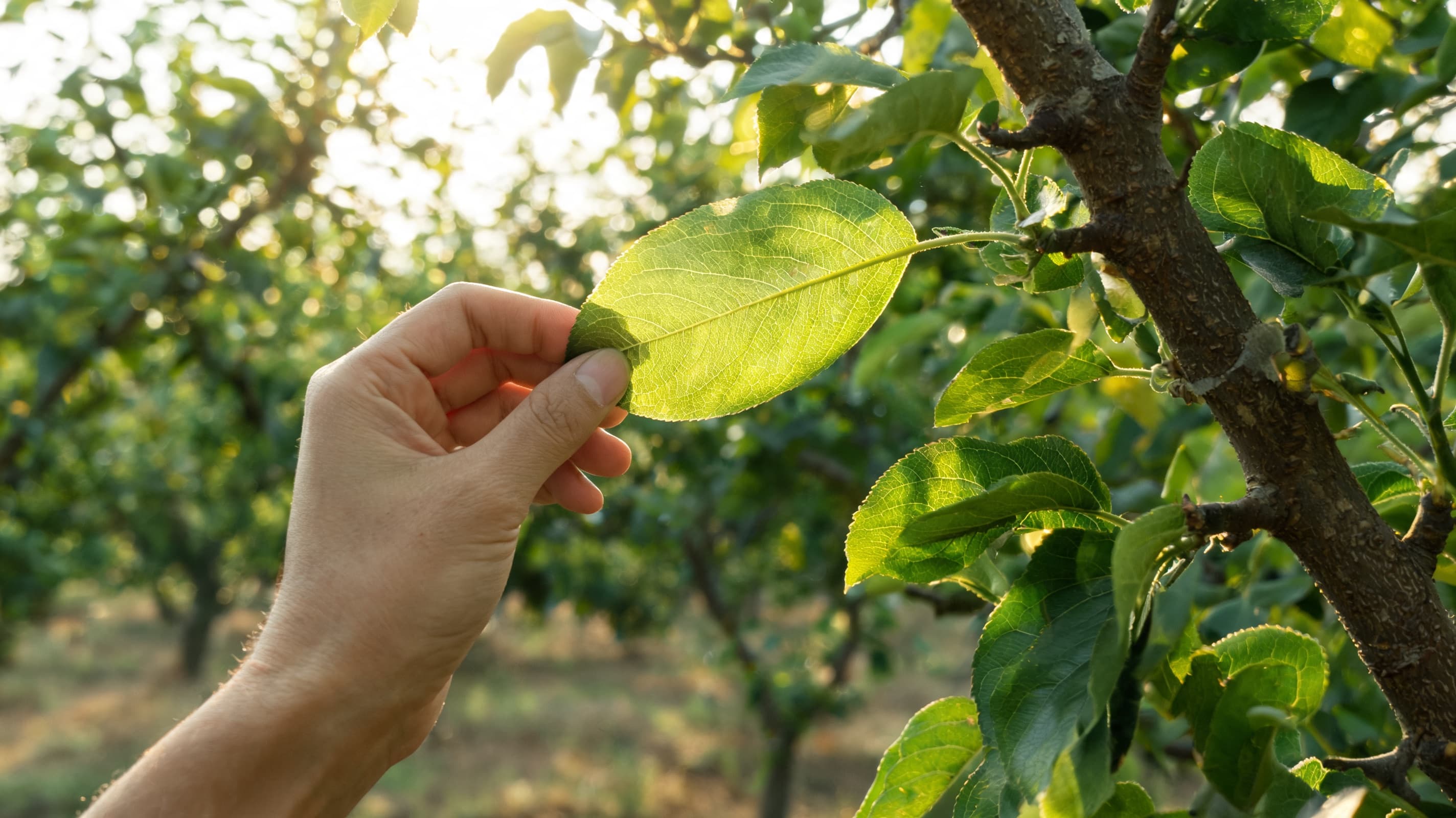
Above certain levels, sodium (Na⁺) and chloride (Cl⁻) become toxic to plant tissue. Sodium disrupts intracellular potassium balance, while chloride accumulates at leaf margins and causes scorch. The classic symptom is leaf-margin burn on older leaves, progressing inward.
Crops such as citrus, grape, strawberry and almond are especially chloride-sensitive.
3. Nutrient antagonism — the balance breaks down
High sodium suppresses the uptake of potassium, calcium and magnesium. Excess sodium displaces calcium from the root surface and soil colloids, triggering calcium-deficiency symptoms — blossom end rot in tomato, bitter pit in apple. Likewise, high chloride can reduce nitrate uptake.
So under saline conditions the problem is not only "too much salt"; it is also that the plant cannot reach the nutrients it needs.
Why is salinity common in the Mediterranean and arid regions?
Salinity is usually the joint result of climate and water management. The leading causes:
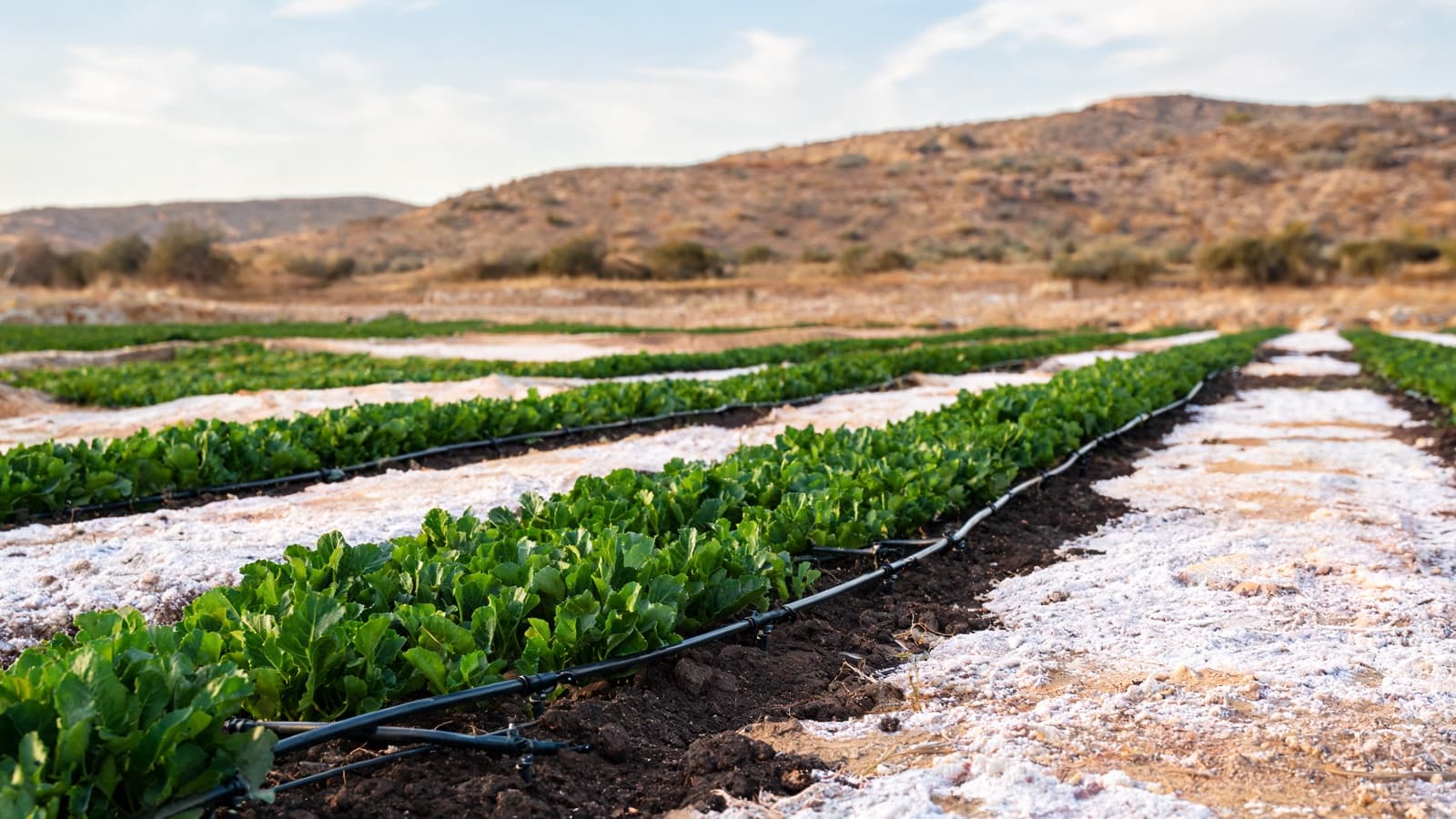
- High evaporation: In hot, dry climates water evaporates and salt stays at the soil surface and in the root zone. This cycle is fast across the Mediterranean and MENA regions.
- Low rainfall: Adequate rain leaches salt below the root zone. When rainfall drops, this natural flushing does not occur.
- Saline irrigation water: Groundwater, well water and some surface sources carry high EC. Near coastlines, seawater intrusion is an added risk.
- Heavy fertilization and poor drainage: Excessive, ill-chosen fertilizer accelerates salt buildup in poorly drained soil.
The situation is more critical under cover: with no natural rainfall flushing inside a greenhouse, salt control depends entirely on the grower's irrigation plan.
Why EC and pH monitoring is non-negotiable
Working by guesswork under saline conditions is the costliest mistake. Two measurements are the foundation of every nutrition decision.
- EC measurement shows the total salt load in the root zone. Monitor the EC of your irrigation water, the EC of the mix in the drip line, and the soil-solution EC regularly.
- pH measurement determines nutrient availability. At high pH, iron, zinc, manganese and phosphorus become locked out. In drip irrigation, nutrient-solution pH is usually held in the 5.5-6.5 range.
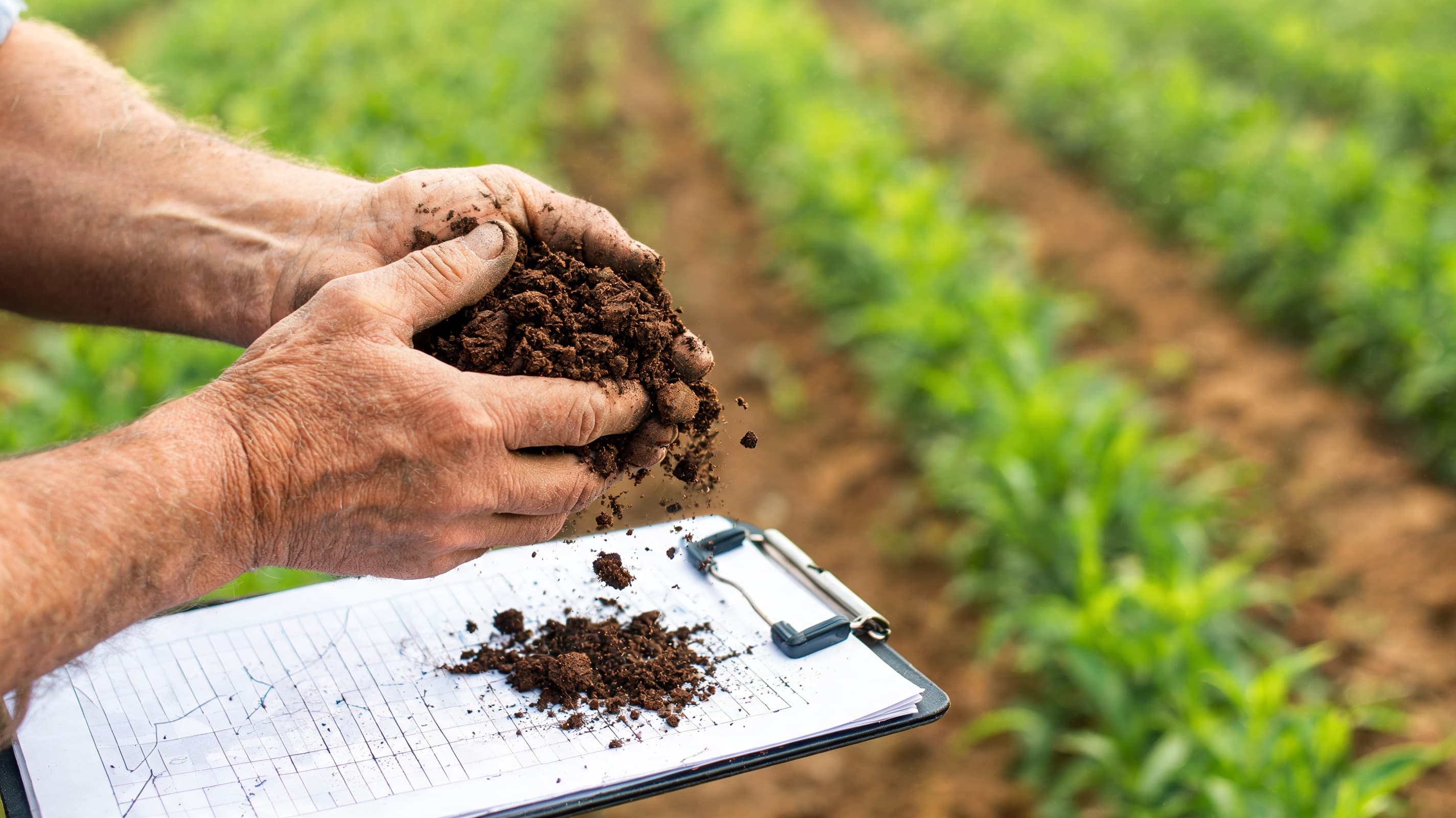
A simple rule: do not build your fertilizer program without soil and irrigation-water analysis. Portable EC and pH meters are accessible today; weekly monitoring through the season prevents surprises early.
Exact EC thresholds vary by crop and growth stage — lettuce and strawberry are salt-sensitive, while barley and date palm are far more tolerant. Giving a single "stay below this EC" number is therefore misleading. Set the correct threshold based on your crop's tolerance and laboratory interpretation.
A nutrition strategy for saline conditions
You cannot eliminate salinity entirely, but you can manage its impact. The strategy rests on five pillars.
1. Choose low-salt-index fertilizers
Salt index measures how much a fertilizer raises the osmotic pressure of the soil solution. Between two fertilizers supplying the same nutrient, the one with a lower salt index raises root-zone EC less.
Fully water-soluble, low-salt-index formulations are the priority under saline conditions. Markka's water-soluble fertilizer line suits drip irrigation; when selecting a product, follow the composition and recommended EC information on the label.
2. Favor nitrate-form nitrogen
Chloride-based and ammonium-heavy fertilizers can add to salt load and toxicity. Under saline conditions, supplying nitrogen mainly in nitrate (NO₃⁻) form is safer, because nitrate gives the plant an uptake advantage that counters chloride. Calcium-nitrate-based products serve two purposes at once: nitrate nitrogen and calcium.
3. Displace sodium with calcium
Calcium is central to saline-soil management. Calcium ions (Ca²⁺) displace sodium bound to soil colloids and the root surface, making it easier to leach out. This both reduces sodium toxicity and improves soil structure.
Markka's calcium liquid fertilizer category (for example, calcium-containing products such as Calciphine, Maxxim Plus and Agrical Potassium-B-Co) is used for this purpose. Calcium-nitrate-based formulations such as Master Calcium Nitrate are especially suitable under saline conditions, since they deliver nitrate nitrogen and calcium together. Dosage is always set by the label and soil analysis.
4. Leach excess salt below the root zone
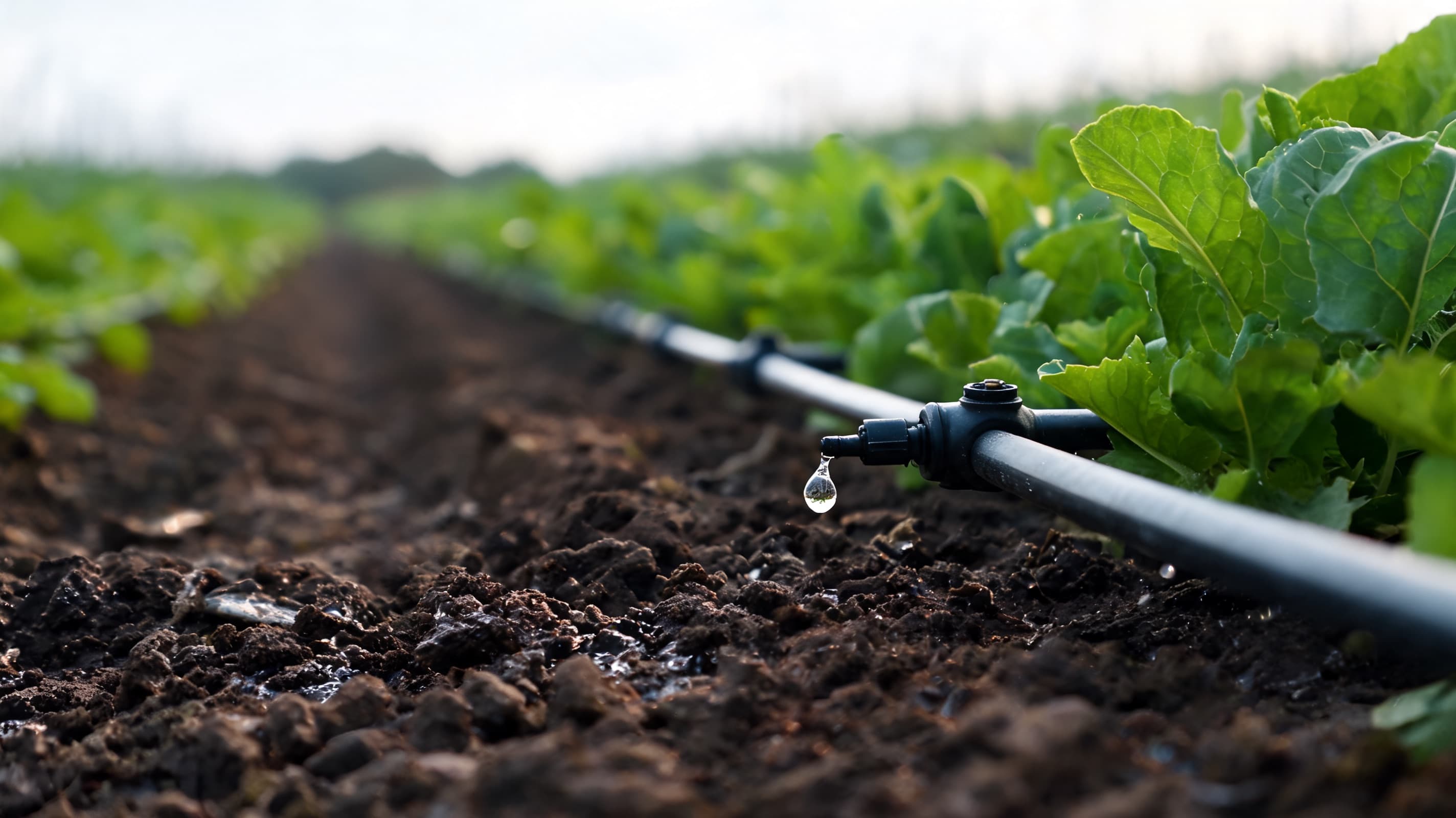
Leaching is moving accumulated salt below the root zone through planned over-irrigation. Since rainfall does not do this in arid regions, the grower schedules periodic leaching irrigation. For leaching to work, soil drainage must be open; with poor drainage salt does not move down — it only raises the water table.
The leaching amount depends on soil structure, irrigation-water EC and crop tolerance. Set the leaching fraction with laboratory analysis and local advisory support.
5. Support stress tolerance with biostimulants and amino acids
Saline conditions keep the plant under constant stress. Amino acids and seaweed-based biostimulants contain compounds that support the plant's capacity to cope with osmotic stress. Free amino acids contribute to osmoregulation processes; seaweed extracts carry natural compounds that support root development and stress resilience.
Markka's amino-acid line (Diamente Amino VIP, Isobau) and seaweed-based products (Algisea, Algacytokin) are integrated into the nutrition program for this purpose. These do not remove salinity; they are supportive applications that help the plant stay balanced under pressure.
How to read an irrigation-water analysis
An irrigation-water report can look complex at first. The core parameters to focus on:
- EC (dS/m): Total salt load. When high, the risk of root-zone buildup increases.
- SAR (Sodium Adsorption Ratio): Sodium relative to calcium and magnesium. High SAR signals the risk of sodium degrading soil structure.
- Chloride (Cl⁻): A critical parameter for chloride-sensitive crops (citrus, grape, strawberry).
- Bicarbonate (HCO₃⁻): High bicarbonate raises pH and can cause clogging in drip systems.
- pH: The determinant of nutrient availability.
The report does not decide on its own — these values must be interpreted together with your crop's tolerance, soil structure and climate. Reviewing the interpretation with an agronomist costs far less than a wrong intervention.
Common mistakes
- Watching only pH and ignoring EC. The two measurements complement each other; miss one and the picture is incomplete.
- Raising the fertilizer dose while salt accumulates. More fertilizer raises EC further and deepens the stress. The problem may be an uptake barrier, not a nutrient shortage.
- Using chloride-based fertilizer on chloride-sensitive crops. In citrus and grape this triggers leaf scorch.
- Attempting to leach with closed drainage. If water cannot move down, salt stays in the root zone and the problem grows.
- Building a program without analysis. Under saline conditions, guesswork is the most expensive route.
Frequently Asked Questions
Are saline soil and sodic soil the same thing? No. In saline soil, total dissolved salt (high EC) dominates. In sodic soil, sodium is disproportionately high relative to calcium and magnesium (high SAR) and soil structure degrades. The two can occur together. Their remediation approaches differ.
What should I do if I must irrigate with high-EC water? Choose low-salt-index fertilizers, supply nitrogen in nitrate form, prioritize calcium application, and schedule periodic leaching if your drainage allows. Exact thresholds vary by crop tolerance; interpret your water analysis with a specialist.
How does calcium solve the sodium problem? Calcium ions displace sodium bound to soil colloids and the root surface. The displaced sodium is then leached below the root zone with irrigation water. This is why calcium plays a central role in saline-soil management.
Do amino-acid and seaweed products fix salinity? No, they do not fix salinity. They are complementary applications that support the plant's capacity to cope with osmotic stress. The main solution is correct fertilizer choice, calcium management and leaching.
How often should I measure EC? Weekly monitoring is recommended, especially under cover and in drip irrigation. Track the EC of irrigation water, the mixed solution and the soil solution separately.
What pH should the nutrient solution have in drip irrigation? A range of 5.5-6.5 is generally targeted; it supports micronutrient availability and reduces emitter clogging. The exact target is adjusted to your water's bicarbonate content.
Conclusion
Salinity and high EC quietly erode yield across the Mediterranean and arid regions — but they are manageable. The key is three steps: measure (EC and pH), feed correctly (low-salt-index fertilizer, nitrate nitrogen, calcium), and leach (planned irrigation with open drainage). Markka's calcium, low-salt-index water-soluble and amino-acid/biostimulant lines support the different pillars of this strategy. All products are registered with the Republic of Türkiye Ministry of Agriculture and Forestry.
To interpret your irrigation-water analysis correctly and build a nutrition program suited to your soil, consult Markka's specialists. Write us on WhatsApp for a free assessment.