Zinc and Boron Deficiency: Pollination, Fruit Set and the Micronutrient Fix
The plant flowers heavily, but sets no fruit. Leaves shrink, and shoot tips bunch together like a rosette. Fruit corks from the inside or cracks on the outside. To most growers this looks like a nitrogen or water problem — yet the real cause is usually two micronutrients: zinc and boron.
Zinc and boron make up less than one part per thousand of a plant's total weight. But pollination, fertilization and fruit set depend directly on them. A deficiency lowers yield even when the macronutrients in your fertilizer program — nitrogen, phosphorus, potassium — are perfect. This guide covers the roles zinc and boron play in the plant, how to diagnose deficiency symptoms, why they are so common in calcareous and dry soils, and how to time application correctly.
The role of zinc: enzymes, hormones and growth
Zinc (Zn) acts as a catalyst in more than 300 enzymes in the plant. Its most critical function is in the production of growth hormone.
Zinc is required for the synthesis of the auxin hormone. Auxin is the primary growth hormone that governs cell elongation and shoot growth. When zinc is short, the plant cannot produce enough auxin, internodes shorten, and leaves stay small.
The three core functions of zinc:
- Auxin synthesis — hormone production for shoot and internode elongation
- Enzyme activation — driving carbohydrate and protein metabolism
- Chlorophyll formation — keeping leaves green and photosynthesis running
Zinc deficiency appears most in new shoots, because zinc is a poorly mobile element inside the plant. For this reason symptoms show first on young leaves.
The role of boron: cell walls, pollen and transport
Boron (B) is the micronutrient most directly responsible for pollination and fruit set. Unlike zinc, boron's main job is not hormonal — it is structure and transport.
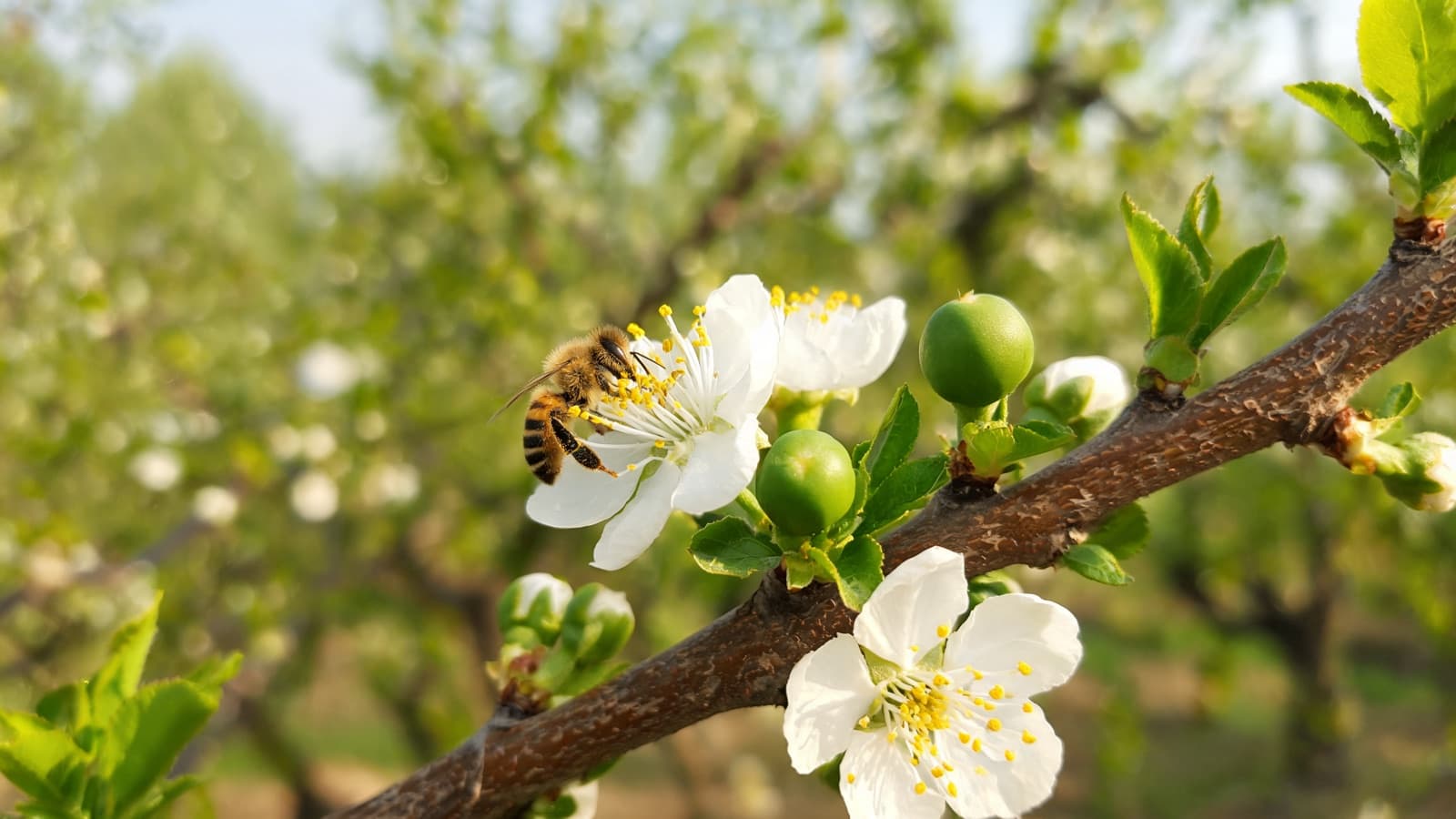
Boron is essential for the growth and germination of the pollen tube. During pollination, pollen from the male organ extends a tube toward the female organ. Boron is needed for this tube to stay viable and reach its target. Without enough boron, pollen viability drops, fertilization fails, and the flower falls.
The core functions of boron:
- Pollen viability and pollination — enabling fertilization to occur
- Cell wall structure — keeping fruit flesh firm and preventing cracking
- Sugar transport — moving sugars made in the leaves to the fruit
- Calcium transport — calcium movement depends on boron; without boron, calcium cannot reach its destination
That last point matters: calcium-linked disorders such as blossom-end rot sometimes trace back to a boron deficiency. Even when soil calcium is sufficient, it cannot move to the fruit without boron.
Diagnosing deficiency symptoms
Zinc and boron deficiencies look different. Telling them apart is the first step toward the right solution.
Zinc deficiency symptoms
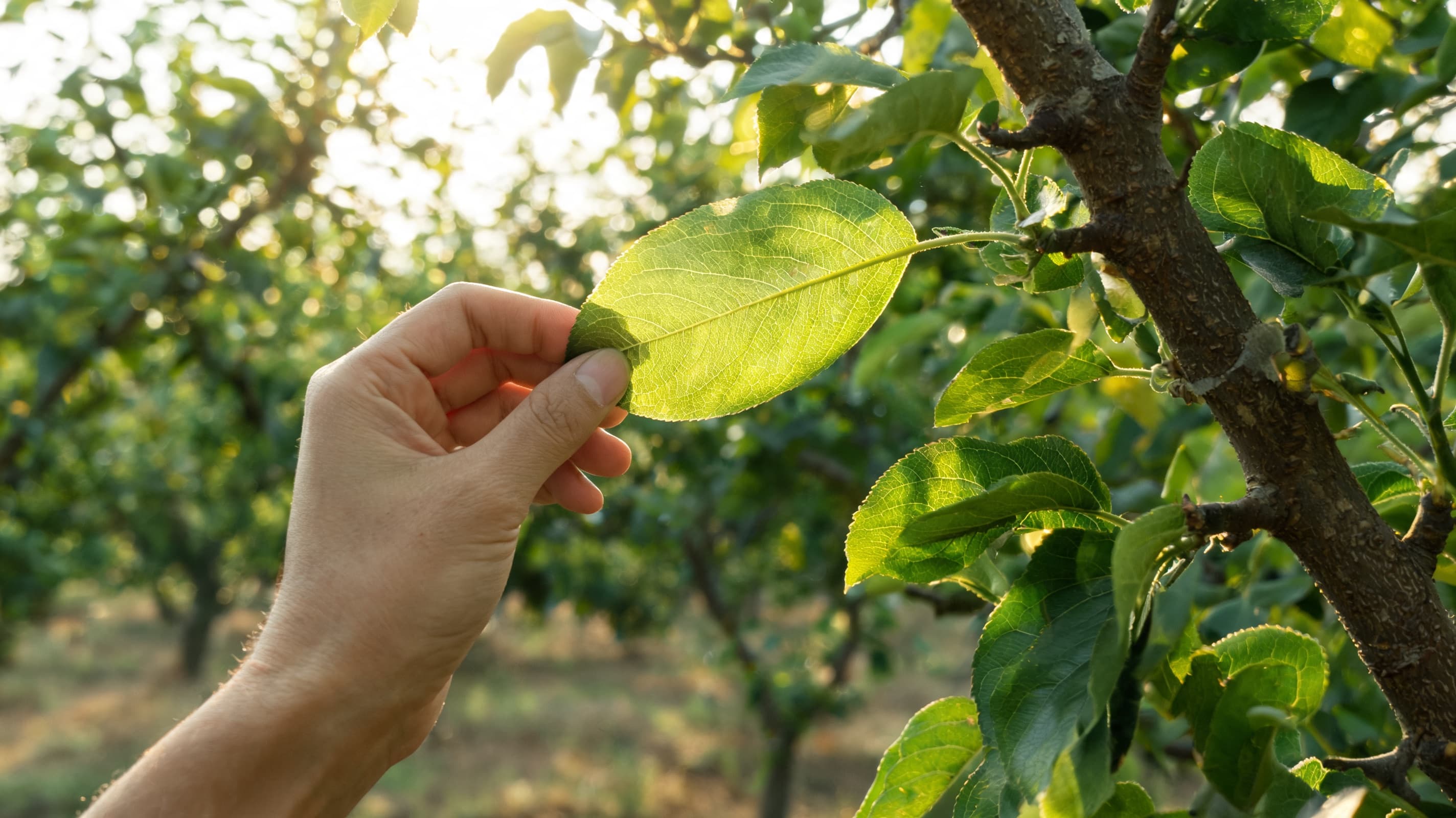
- Little leaf: new leaves stay noticeably small
- Rosetting: internodes shorten and leaves cluster like a rosette at the tip
- Interveinal yellowing: leaf veins stay green while the areas between them yellow (especially on young leaves)
- Weak shoot growth: the plant stays stunted with poor branching
Zinc deficiency is most common in citrus, grape, maize and fruit trees.
Boron deficiency symptoms
- Flower and fruit drop: heavy flowering but no fruit set
- Shoot tip die-back: the growing point dries out and the plant dies back from the tip
- Internal corking (internal cracking): brown, corky zones inside the fruit
- External cracking: splits in the fruit skin, deformed fruit
- Thick, brittle leaves: leaves harden and break easily
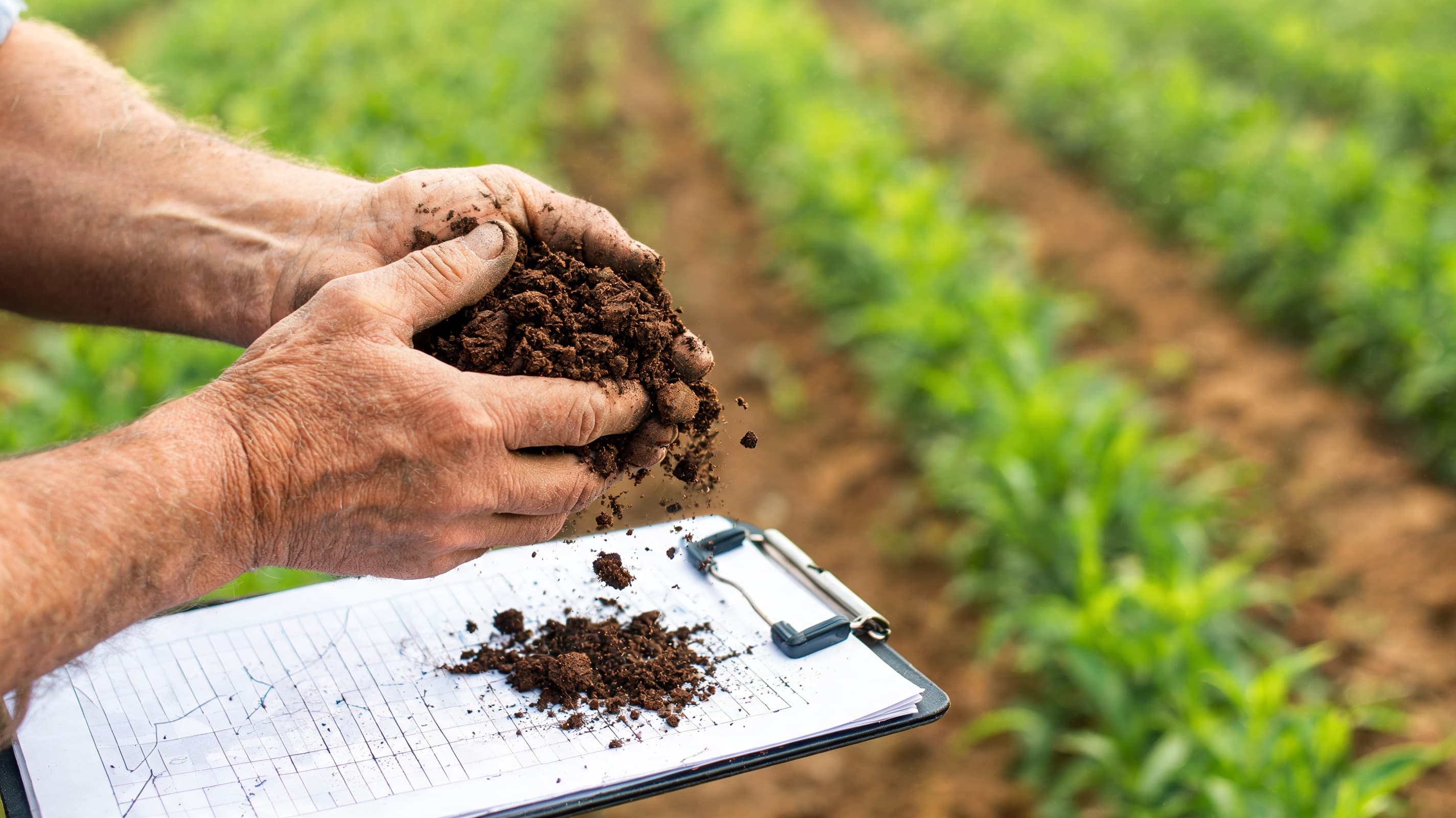
Soil and leaf analysis is essential for a firm diagnosis. Symptoms can overlap; some diseases and water stress also trigger drop. Confirm the deficiency with a laboratory analysis before you apply anything.
Why is it common in calcareous and dry soils?
Zinc and boron deficiency is especially widespread across Türkiye and the Mediterranean basin. The cause is usually the soil itself.
High pH (calcareous soil) lowers the availability of zinc and boron. Even when zinc and boron are present in the soil, once pH rises above 7.5 these elements bind into forms the plant cannot take up. Much of the Mediterranean's soil is calcareous and high-pH — which is why the "present in the soil but the plant can't reach it" picture is so common.
Drought creates a separate problem:
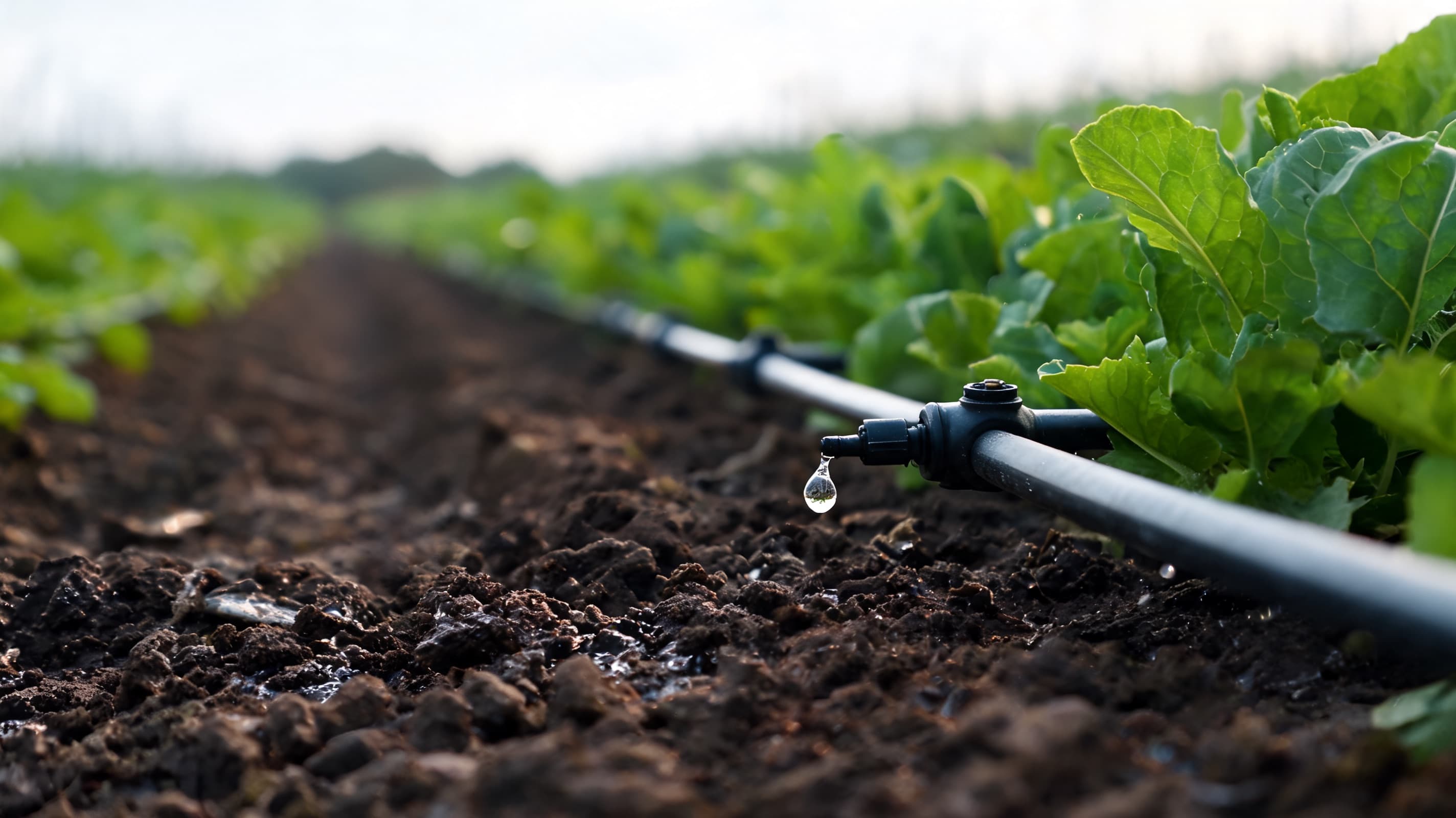
- Boron moves through soil in water. When the soil dries out, boron movement stops and roots cannot reach it.
- In dry periods the plant slips into boron deficiency far more easily than in wet ones.
- For this reason, boron deficiency symptoms can suddenly increase during hot, dry summer months.
In short: calcareous soil lowers availability, and drought stops transport. When the two combine, the risk multiplies.
The Markka micronutrient approach
Markka Genetik has produced fertilizers in Antalya for over 20 years, and its products are registered with the Republic of Türkiye Ministry of Agriculture and Forestry. For zinc and boron deficiency, two different product groups come into play.
For zinc — the Zinc Liquid Fertilizers category:
- ZincoNit-10: a high-concentration zinc solution for foliar application
- Nutri Fulvic Zinc: delivers zinc together with fulvic acid, alginic acid and amino acids. Because fulvic acid complexes the zinc, it reduces zinc lock-up in high-pH soils and eases uptake
- Zytra and Zincor: zinc formulations that support hormone balance and auxin production
For boron — boron-calcium combinations within the Calcium Liquid Fertilizers line:
- Maxxim Plus (CaO 12%, B 0.2%) and Pascal Plus (CaO 12%, B 0.2%): nitrogen-free calcium-boron formulations. During flowering they supply both calcium and boron without adding nitrogen — the ideal window for pollination and fruit set
- Calciphine (CaO 15%, B 0.15%): contains calcium, boron and nitrate nitrogen together; a three-way formulation in which boron supports calcium transport
Product choice depends on soil analysis and crop. The goal is not to sell, but to match the right element to the right deficiency.
Boron's narrow safety margin — a critical warning
The single most important rule with boron is this: the range between a sufficient dose and a toxic dose is very narrow. This is the most dangerous aspect of boron in plant nutrition.
- Too little boron → flower drop, no fruit set
- The right boron → healthy pollination
- Too much boron → leaf margin burn, toxicity, yield loss
With many other nutrients, "a little extra does no harm" holds true. With boron it does not. Excess boron can cause damage faster than a shortage, and it accumulates in the soil, affecting the following season as well.
So the golden rules of boron application:
- Analyze first — measure the boron level in soil and leaf
- Follow the label exactly — do not exceed the dose stated on the Markka product label
- Avoid the "more is better" mindset — with boron, this approach leads to toxicity
- Distribute evenly — mix well in the tank; a local high dose burns leaves
This guide does not give a general dose, because the correct boron rate varies with product, crop and soil. For a specific amount, always follow the product label and your soil analysis result.
Zinc-phosphorus antagonism: the overlooked trap
There is an antagonism between zinc and phosphorus. A high phosphorus application can suppress zinc uptake.
In practice this becomes a trap: the grower applies plenty of phosphorus fertilizer for rooting and flowering. Even when soil zinc is sufficient, the high phosphorus blocks zinc uptake and zinc deficiency symptoms — small leaf, rosetting — appear. The grower mistakes this for a water or nitrogen problem and intervenes the wrong way.
The practical conclusion:
- If you run an intensive phosphorus program, monitor zinc levels separately
- Avoid applying phosphorus and zinc at high doses at the same time
- Zinc deficiency symptoms are more frequent in orchards given heavy phosphorus
Foliar and soil application: timing matters
For zinc and boron, the most effective method is often foliar application, because in calcareous soil these elements bind and uptake from the soil stays weak. The leaf takes the element up directly and quickly.
Two core principles guide the timing:
1. For boron: application before flowering is critical. Boron is needed at the moment of pollination. Applying it after flowers open is usually too late. The target window for boron is therefore just before flowering, at the bud stage. That way pollen viability is already high by the time flowers open.
2. For zinc: the early vegetative period and pre-shoot stage. Because zinc produces growth hormone, it is effective in the early period when active growth begins. On fruit trees it is applied before bud break and during early leaf development.
Application practice:
- Spray foliar fertilizer early in the morning or in the late afternoon; the midday heat raises the risk of leaf burn
- If soil analysis shows a chronic deficiency, support foliar application with a soil/drip application
- Before mixing boron and zinc in the same tank, check the compatibility note on the label
Common mistakes
- Applying boron without an analysis: the riskiest mistake, because of the narrow safety margin. It can cause toxicity.
- Mistaking boron deficiency for calcium deficiency: in blossom-end rot, calcium can be plentiful yet fail to move without boron. Assess the two together.
- Applying zinc with phosphorus at high doses: the antagonism blocks zinc.
- Applying boron after flowering has started: it is too late; the target window is pre-flowering.
- Relaxing because "it's in the soil": in calcareous soil the element is present but the plant can't take it up. Availability ≠ total amount.
- Spraying foliar fertilizer in the midday heat: leaf burn and poor efficacy.
Frequently Asked Questions (FAQ)
How do you recognize zinc deficiency? The most typical signs of zinc deficiency are small new leaves (little leaf), rosetting at the shoot tips, and interveinal yellowing. Symptoms appear first on young leaves, because zinc moves poorly inside the plant. A leaf analysis is needed for a firm diagnosis.
Why does boron deficiency affect fruit set? Boron is essential for the growth and germination of the pollen tube. When boron is short, pollen viability drops, fertilization fails, and the plant sets no fruit even when it flowers heavily. Boron also strengthens the cell wall, preventing fruit cracking.
Is excess boron harmful? Yes. The range between a sufficient and a toxic boron dose is very narrow. Excess boron causes leaf margin burn, toxicity and yield loss; it accumulates in the soil and affects the following season too. Always run an analysis and never exceed the label dose.
Why can't zinc and boron be taken up in calcareous soil? When soil pH rises above 7.5, zinc and boron bind into forms the plant cannot take up. The element is present in the soil but remains unavailable. This is why foliar application is more effective than soil uptake in the calcareous soils of the Mediterranean.
Is it a problem to apply zinc and phosphorus together? A high phosphorus application can suppress zinc uptake (antagonism). If you run an intensive phosphorus program, monitor zinc levels separately and avoid applying both at high doses at the same time.
When should boron be applied? Because boron is needed at the moment of pollination, the target window is just before flowering (the bud stage). Applying it after flowers open is usually too late. This way pollen viability is already high when flowers open.
Conclusion
Zinc and boron make up less than one part per thousand of a plant's weight, yet they are the invisible engine of pollination, fertilization and fruit set. Zinc drives growth through the auxin hormone; boron governs yield through pollen viability and calcium transport. Deficiency is common in calcareous and dry soils — because even when the element is in the soil, the plant cannot reach it.
The right approach has three steps: diagnose with an analysis first, apply the right element at the right time (boron before flowering, zinc in the early period), and respect boron's narrow safety margin.
If you see flower drop, small leaves or fruit cracking in your orchard, start with a soil and leaf analysis. For a suitable micronutrient program and free technical consultation, contact the Markka Genetik expert team on WhatsApp. To review the products, browse the Zinc and Calcium Liquid Fertilizer categories.
This content is for general information only. The application dose must always be determined by soil analysis and the product label.