What Is NPK Fertilizer? Understanding the Numbers on the Label
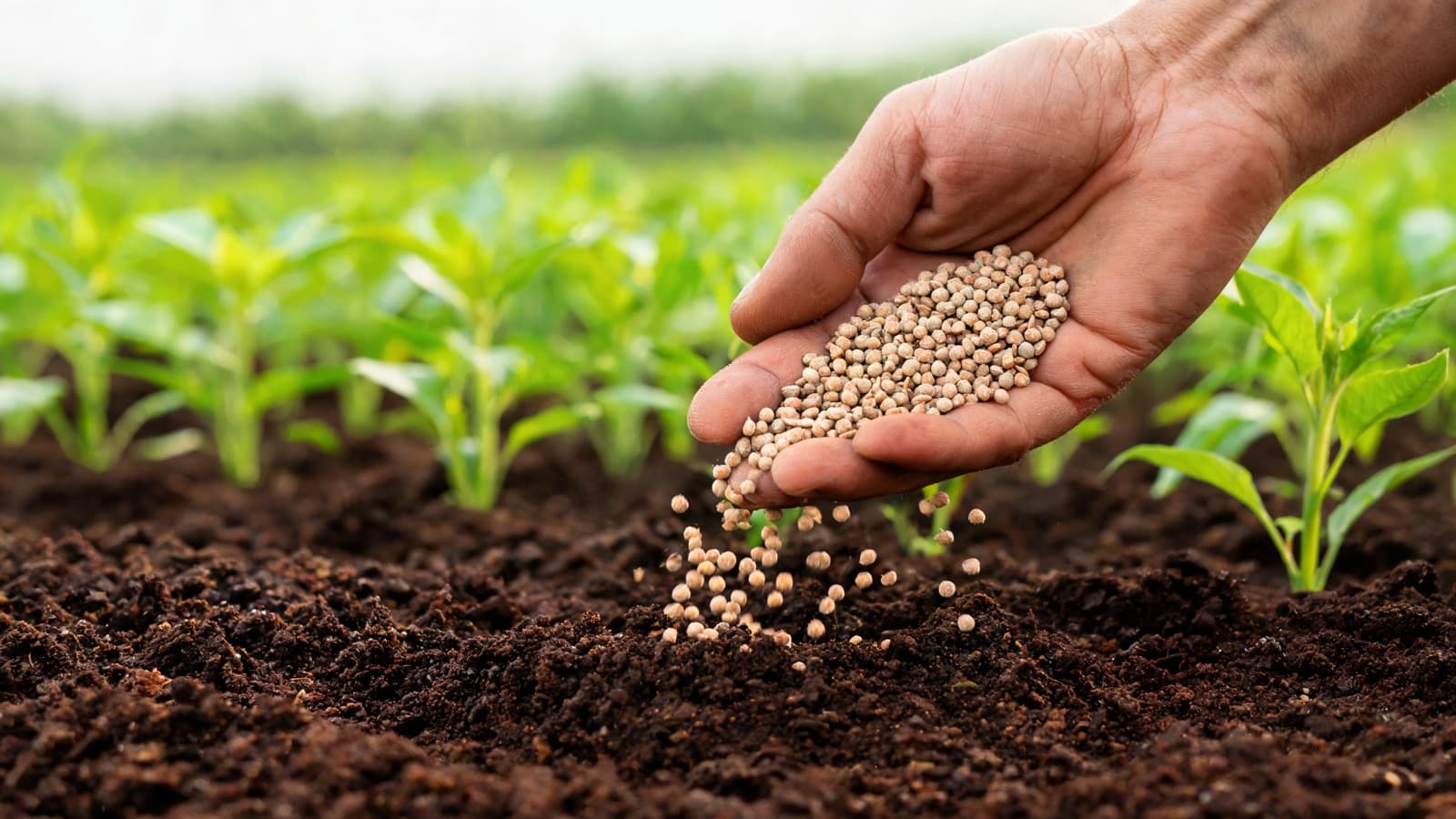
NPK fertilizer is a type of fertilizer that contains the three primary macronutrients essential for healthy plant growth: Nitrogen (N), Phosphorus (P), and Potassium (K). These three elements form the foundation of plant nutrition and are consumed from the soil in the largest quantities, requiring regular replenishment throughout the growing season.
The NPK ratio on a fertilizer label tells you exactly what that product is designed to do. A high-nitrogen formula promotes leafy vegetative growth, while a potassium-heavy blend improves fruit quality and disease resistance. In this comprehensive guide, we break down everything you need to know about NPK fertilizer — from reading label numbers to application methods, crop-specific ratios, and common mistakes to avoid.
What Does NPK Stand For?
NPK is an abbreviation derived from the chemical symbols of the three primary macronutrients that plants need in the largest quantities:
- N — Nitrogen: The most critical element for vegetative growth. Nitrogen drives leaf and stem development and is essential for chlorophyll production. When nitrogen is deficient, leaves turn pale green or yellow, and overall growth slows significantly. Because nitrogen is highly mobile in soil and easily lost through leaching, it requires regular supplementation. Products like Rover N provide targeted nitrogen solutions especially effective during the vegetative phase.
- P — Phosphorus: Plays a key role in root development, flowering, and seed formation. Phosphorus is indispensable for the plant's energy transfer system (ATP). When deficient, roots remain weak, flowering is delayed, and fruit set decreases. Phosphorus supplementation is particularly important after transplanting and before the flowering period.
- K — Potassium: Critical for fruit quality, disease resistance, and water regulation. Potassium regulates stomatal function to reduce water loss and improves fruit color, flavor, and shelf life. Potassium deficiency manifests as leaf edge burn and drying. VIP K 31, with its 31% potassium content, is a concentrated formulation developed specifically for this purpose.
Together, these three elements form the "three pillars" of plant nutrition. A deficiency in any one of them will significantly reduce yields even if the other two are adequate. This principle is known as Liebig's Law of the Minimum in plant science: growth is limited by the scarcest nutrient.
What Do the Numbers on Fertilizer Labels Mean?
Every NPK fertilizer label displays three numbers separated by hyphens — for example, 20-20-20, 15-5-30, or 10-52-10. These numbers represent the percentage of Nitrogen (N), Phosphorus (P2O5), and Potassium (K2O) in the product, respectively.
Example: 20-20-20 formulation
- 20% Nitrogen (N)
- 20% Phosphorus (P2O5)
- 20% Potassium (K2O)
- Total: 60% active nutrients; the remaining 40% consists of fillers and carriers
Example: 15-5-30 formulation
- 15% Nitrogen
- 5% Phosphorus
- 30% Potassium
- This potassium-heavy formula is ideal during the fruiting stage
The higher the sum of the three numbers, the more concentrated the fertilizer. A 20-20-20 formula contains 60% total nutrients while a 10-10-10 contains only 30%, meaning you would need to apply twice the amount of the latter to achieve the same nutrient delivery.
Important note: Phosphorus and potassium values are expressed in oxide form (P2O5 and K2O). To calculate the actual elemental content, multiply the phosphorus value by 0.44 and the potassium value by 0.83. For example, a 20-20-20 fertilizer actually contains 20% N, 8.8% elemental P, and 16.6% elemental K.
Which NPK Ratio for Which Crop?
Different crops have different nutritional needs at each growth stage. The table below shows recommended NPK fertilizer ratios for commonly grown crops:
| Crop | Vegetative Stage | Flowering Stage | Fruiting Stage |
|---|---|---|---|
| Tomato | 20-20-20 | 10-52-10 | 5-10-40 |
| Pepper | 20-20-20 | 15-30-15 | 10-5-30 |
| Cucumber | 25-10-15 | 15-15-30 | 10-5-35 |
| Citrus | 20-10-10 | 10-20-20 | 5-5-40 |
| Grape / Vineyard | 20-20-20 | 10-20-30 | 5-10-40 |
| Wheat / Barley | 30-10-10 | 20-20-20 | - |
| Lawn / Landscape | 25-5-10 | - | 15-5-20 (autumn) |
During the vegetative stage, nitrogen-heavy formulas are selected to promote leaf and stem growth. During flowering, phosphorus takes priority. During fruiting, potassium is increased to improve fruit size, color, and taste.
Markka Genetik's water-soluble NPK fertilizer range offers optimized formulations for each growth stage. Fortinato, for instance, provides a balanced NPK ratio suitable for a wide range of crops.
Liquid vs. Powder NPK Fertilizer: Key Differences
NPK fertilizer is produced in two main forms: liquid and powder (water-soluble). Each has its own advantages:
Liquid NPK Fertilizers
- Advantages: Ready to use, homogeneous mixture, directly compatible with drip irrigation systems
- Application: Drip irrigation (fertigation), foliar spraying
- Storage: Requires more space, risk of freezing
- Concentration: Typically 5-15% total nutrient content
Powder (Water-Soluble) NPK Fertilizers
- Advantages: High concentration (40-60% total nutrients), long shelf life, lightweight and easy to transport
- Application: Mixed with water for drip irrigation or foliar application
- Storage: Compact, can be stored for years in dry conditions
- Concentration: 40-60% total nutrient content
For greenhouses and orchards, the powder form is more economical. 1 kg of powdered NPK fertilizer can deliver the same nutrient content as 4-6 liters of liquid fertilizer. However, liquid forms offer convenience for small-scale operations and hobby gardeners.
How to Apply NPK Fertilizer
Choosing the right NPK fertilizer is only half the equation — correct application is equally important. There are two primary methods:
1. Drip Irrigation Application (Fertigation)
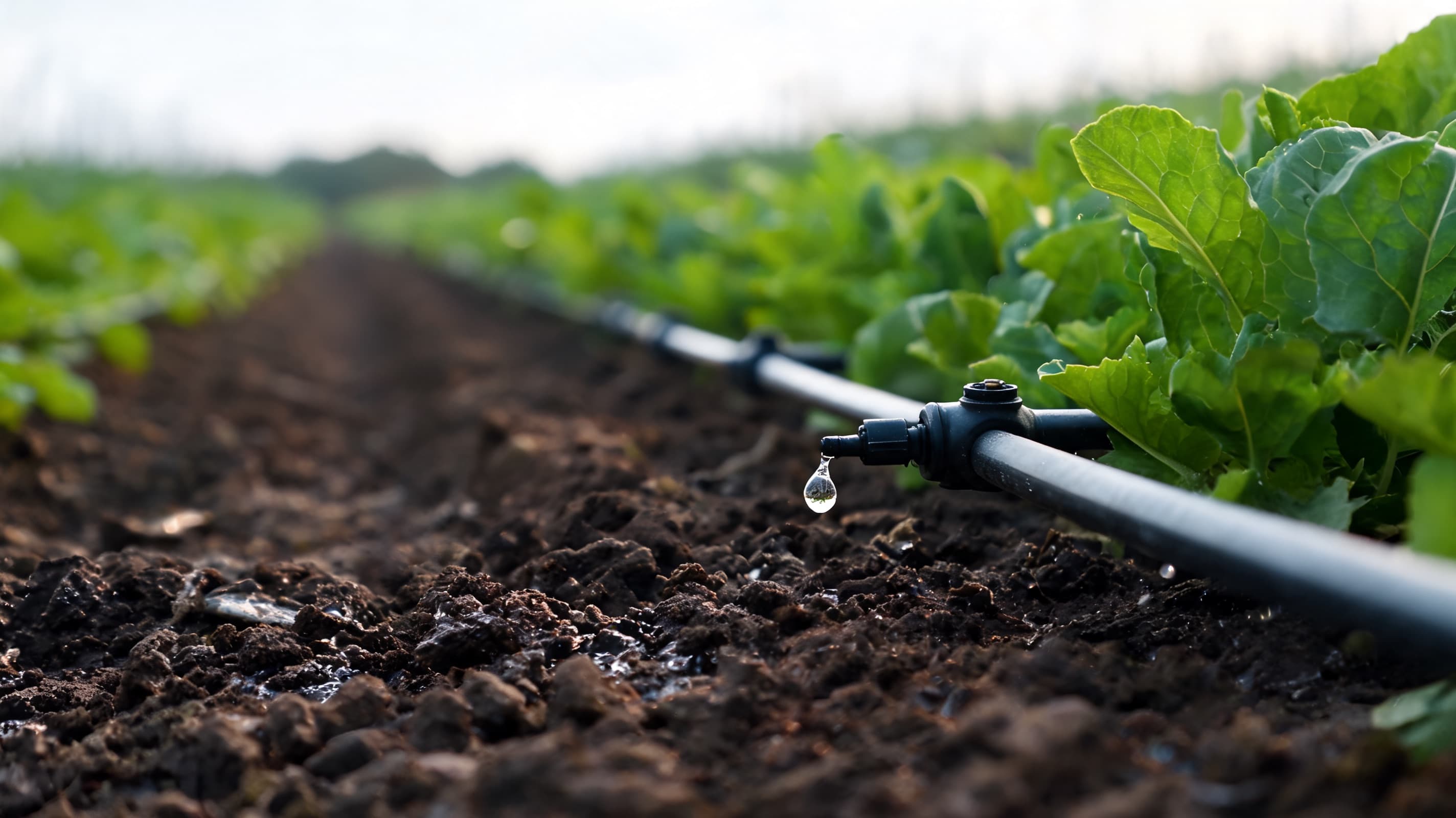
Applying fertilizer through a drip irrigation system is the most efficient and economical method. Nutrients are delivered directly to the root zone, minimizing waste.
- Dosage: 1-3 g/L water (for powder forms) or per manufacturer recommendation
- Frequency: 2-3 times per week at low doses with each irrigation cycle
- EC value: Total nutrient concentration (EC) should be maintained between 1.5-2.5 mS/cm
- pH control: Solution pH should stay between 5.5-6.5. Outside this range, nutrient uptake decreases significantly
2. Foliar Application
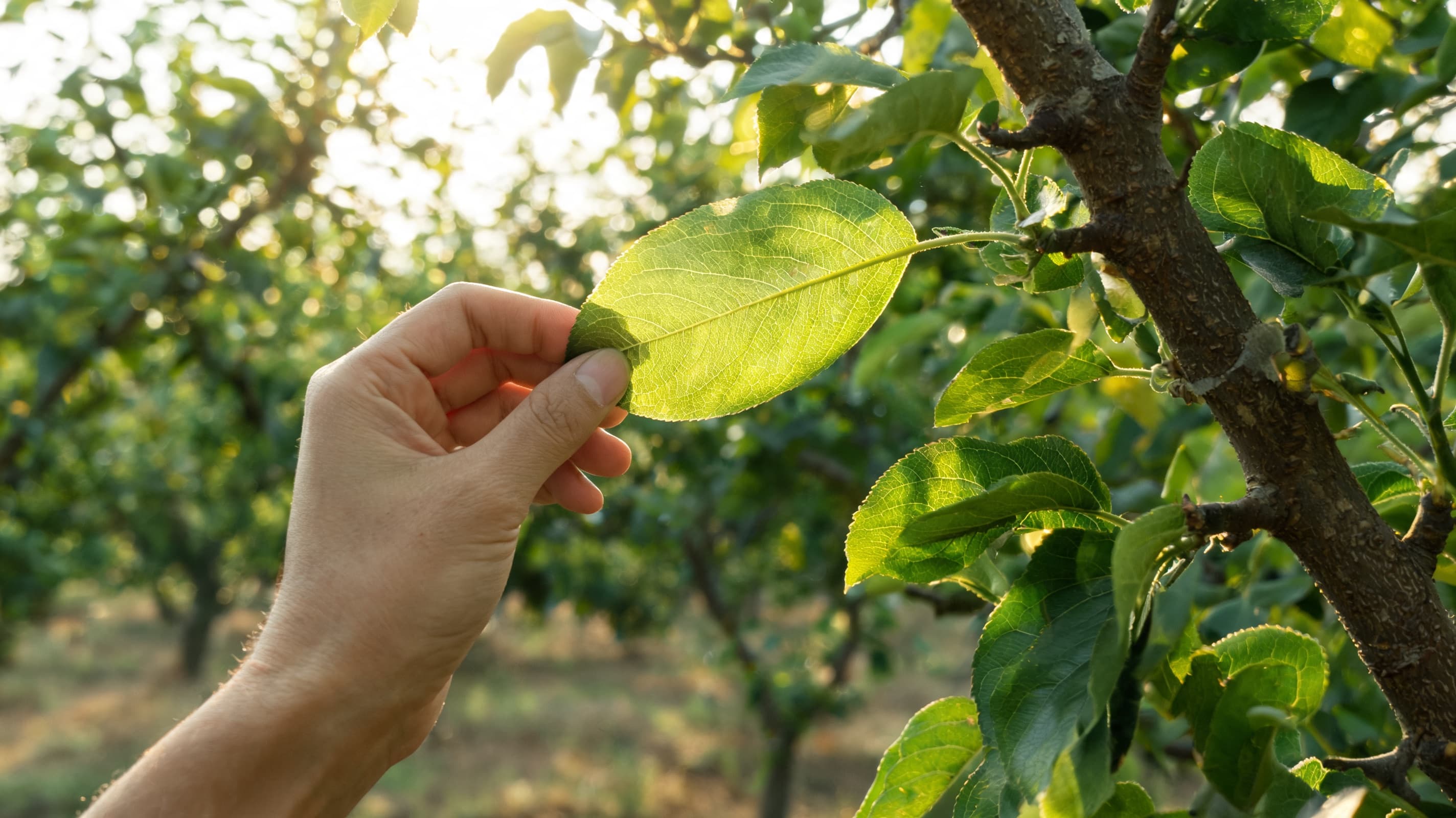
Nutrient absorption through the leaf surface. Acts approximately 30% faster than root feeding but requires more frequent reapplication.
- Dosage: 200-400 g per 100 L water (for powder forms)
- Timing: Early morning or cool evening hours when leaf surfaces are dry
- Caution: Never apply during hot hours — this can cause leaf burn
- Frequency: Repeat every 7-14 days
Pro tip: For optimal results, combine root feeding with foliar application. Root fertilization provides the foundational nutrition, while foliar spraying offers rapid intervention and micronutrient supplementation. Visit Markka Genetik's fertilization programs page for crop-specific application schedules.
Common Mistakes When Using NPK Fertilizer
Avoid these frequent errors for proper NPK fertilizer use:
1. Fertilizing Without Soil Analysis
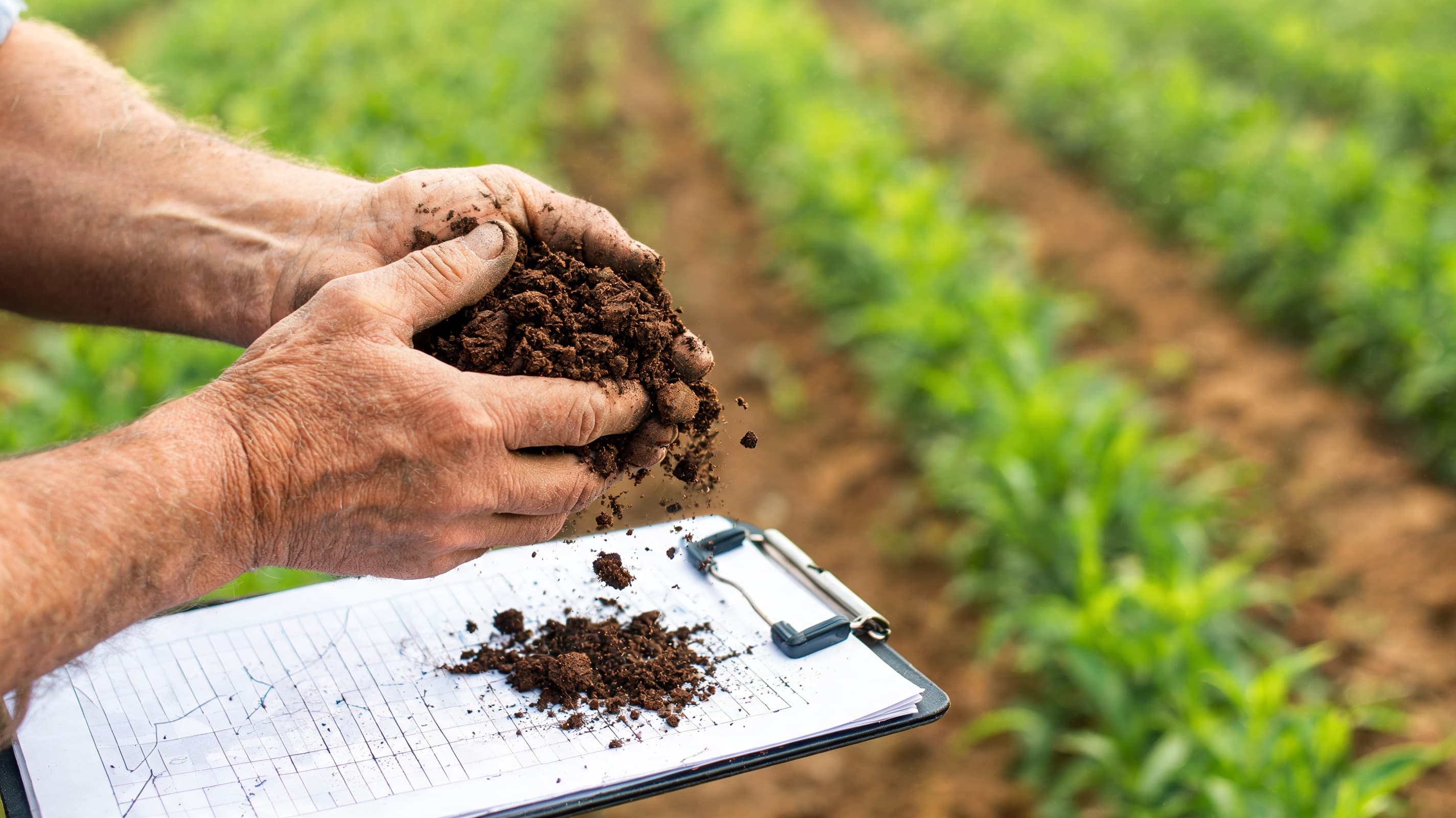
The most common mistake is applying fertilizer without knowing the soil's current nutrient status. Adding phosphorus to soil that already has adequate levels increases costs and disrupts the soil balance. Conduct a soil test at least once a year to base your fertilizer choices on scientific data.
2. Over-Fertilizing
The "more fertilizer = more yield" mentality is incorrect. Excessive fertilizer use:
- Causes soil salinization (raises EC values)
- Leads to root burn
- Contaminates groundwater
- Creates nutrient antagonism (excess of one element blocks uptake of another)
3. Using the Wrong Formula at the Wrong Stage
Applying high-nitrogen fertilizer during the fruiting stage redirects the plant's energy toward leaf growth rather than fruit development. Match the formula to each growth stage.
4. Ignoring pH and EC Values
If your irrigation water pH is outside the 5.5-6.5 range, your plants cannot efficiently absorb nutrients regardless of how much fertilizer you apply. Calcium, iron, and phosphorus uptake are especially pH-sensitive.
5. Using One Formula for the Entire Season
Using only 20-20-20 throughout the entire season does not fully meet plant needs. Switching to different NPK ratios as the plant progresses through growth stages is essential.
Conclusion and Recommendations
Choosing the right NPK fertilizer is one of the most critical steps toward a successful growing season. Reading the label numbers correctly, selecting the appropriate formula for each growth stage, and applying the right technique directly impact your yield.
Key takeaways:
- NPK numbers indicate the percentages of Nitrogen, Phosphorus, and Potassium respectively
- Nitrogen dominates during vegetative growth, phosphorus during flowering, and potassium during fruiting
- Fertilizing without a soil test is the single biggest mistake
- Combining drip irrigation with foliar application maximizes results
- pH and EC monitoring is as important as fertilizer selection
At Markka Genetik, we have been manufacturing over 58 fertilizer formulations at our modern production facilities in Antalya since 2006. Address your potassium needs with VIP K 31, achieve balanced NPK nutrition with Fortinato, and provide fast-acting nitrogen supplementation with Nitrosprint. Browse our full product catalog or visit our fertilization programs page for crop-specific schedules.
Have questions? Contact us — our expert agronomists are ready to provide tailored solutions.