Balanced Plant Nutrition for Greenhouse Production — A Practical Guide
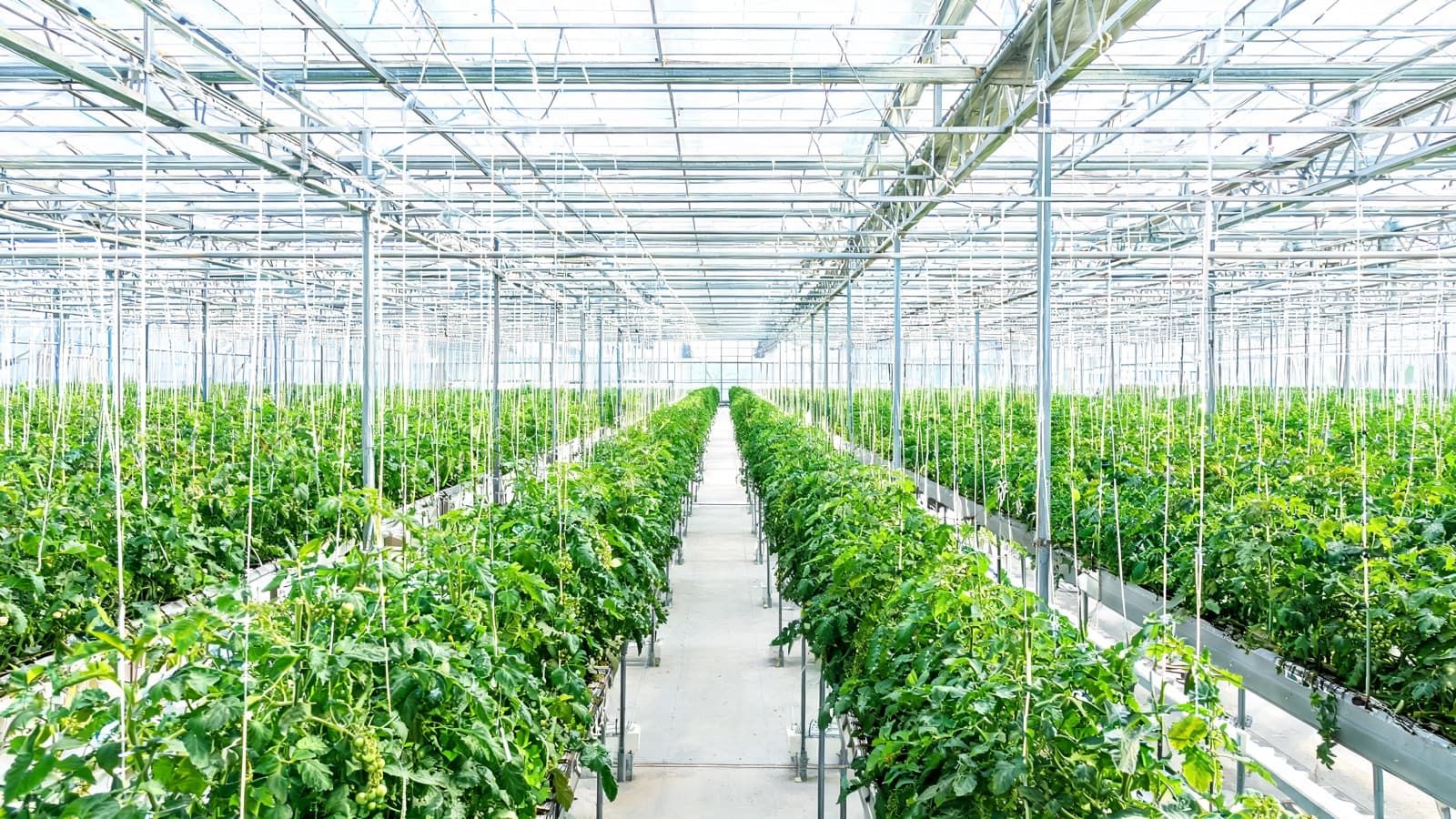
In greenhouse agriculture, yield depends less on weather and more on the quality of the fertilization program. In open fields, rain, wind, and natural organic cycles smooth out imbalances. Under cover, all of that control sits in the grower's hands. This control is an advantage — but managed wrong, a single week can erase the season's economics.
This guide explains the scientific and practical foundations of balanced plant nutrition for greenhouse growers worldwide — with particular relevance to Mediterranean tomato, pepper, and cucumber producers. At Markka Genetik, we have produced fertilizer in the Antalya AOSB industrial zone since 2006. The recommendations below combine laboratory data with field feedback from our regional distributors.
Why Greenhouse Plant Nutrition Differs From Open Field
In open fields, rain leaches excess salts and atmospheric nitrogen partially balances the cycle. Greenhouses are a largely closed micro-ecosystem — disconnected from this natural balance.
Three primary factors drive the difference:
- No leaching. Without rain to flush accumulated salts and excess fertilizer, salt buildup mid-season can halt root development.
- Same crop, season after season. Growing the same crop for 3-5 consecutive seasons depletes specific elements and increases pathogen pressure.
- High-yield target = high nutrient demand. Greenhouse tomatoes produce 5-10 times more fruit than open-field cultivation. Roots must absorb proportionally more nutrients.
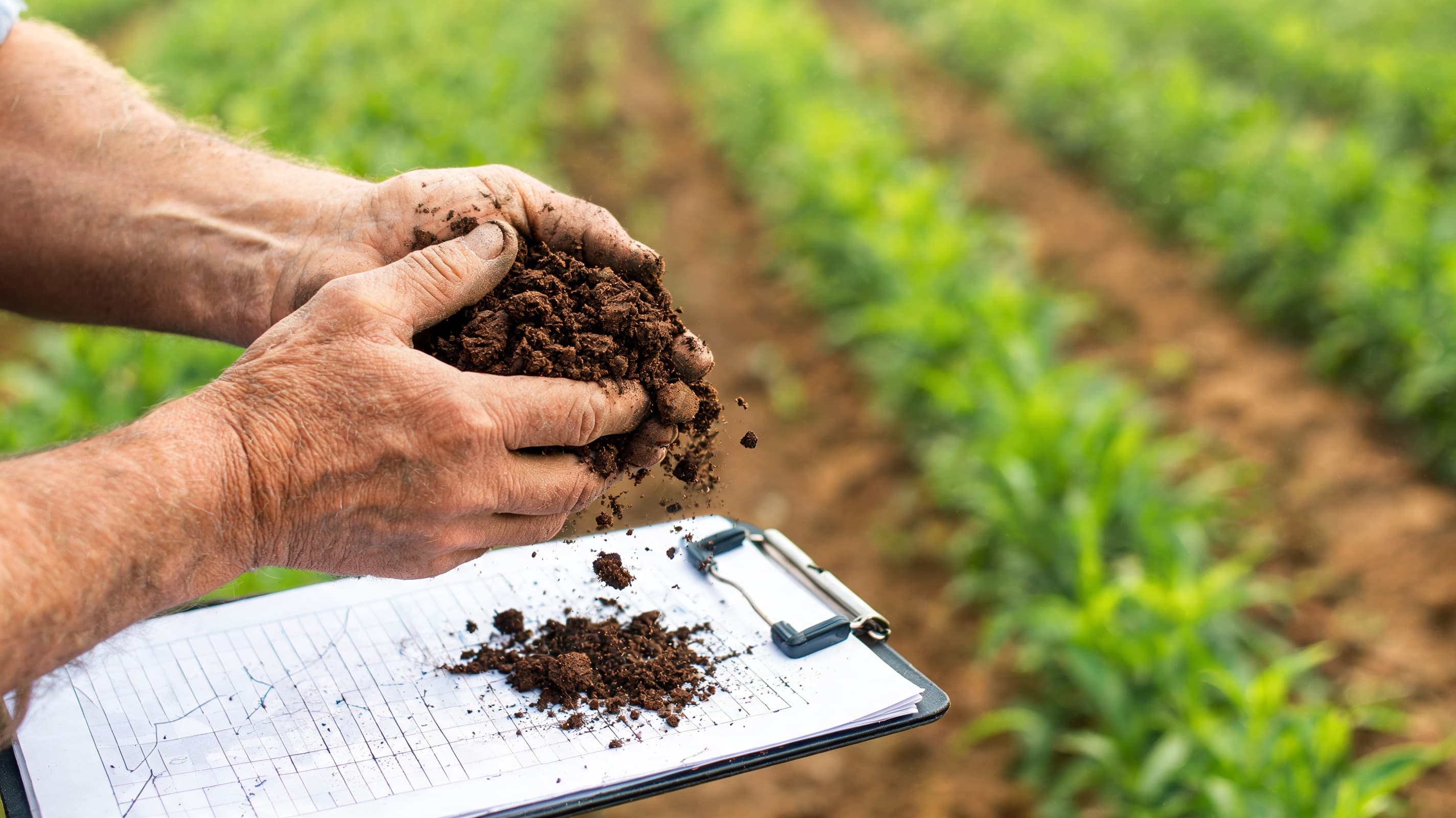
The greenhouse grower must therefore refresh soil analysis every season, monitor water EC and pH continuously, and apply fertilizer with the discipline of a program.
Four Core Measurements Every Grower Should Track
Without expensive laboratory equipment, simple meters allow continuous tracking of these four values:
1. EC (Electrical Conductivity)
Measured in irrigation water and drip outflow. Indicates total dissolved salts.
- Target range (general): 1.8 – 2.5 mS/cm
- Above 2.5: root stress, reduced water uptake, increased blossom drop risk
- Below 1.0: nutritional deficiency
In regions with brackish water sources (common in coastal Mediterranean and Middle Eastern production), EC control is critical.
2. pH
How efficiently the plant absorbs elements depends on pH.
- Target range: 5.5 – 6.5 (the window of maximum nutrient solubility)
- Above pH 7: iron, manganese, and boron become "locked," unavailable even when applied
- Below pH 5: risk of aluminum toxicity
3. Soil Moisture
Greenhouse humidity should remain between 60-80%. Above this, fungal disease pressure rises; below, pollen sterility appears.
4. Temperature (Day/Night Differential)
Element uptake is temperature-sensitive. In cool soil (under 15°C), phosphorus uptake drops. In hot conditions (above 32°C), calcium movement becomes impaired.
Nutrient Demand by Growth Stage
A greenhouse tomato passes through four major development stages. Applying a stage-specific program is the foundation of yield and quality.
Stage 1 — Establishment and Vegetative Growth (Weeks 1-4)
Focus: Nitrogen (N) and phosphorus (P) balanced Goal: Rapid root system and leaf development Typical formula: NPK 20-20-20 or 15-30-15 Markka equivalent: Master Big Bang 21, Markka MKP, liquid NPK series
Phosphorus deficiency in this stage is difficult to recover for the rest of the season. Band application or fertigation keeps phosphorus close to the developing root system.
Stage 2 — Flowering and Fruit Set (Weeks 5-8)
Focus: Calcium (Ca) + boron (B) + balanced N-K Goal: Sturdy flower stalks, viable pollen, prevention of blossom drop Markka equivalent: Calciphine, Maxxim Plus, Aventus
The most common cause of fruit set failure and blossom drop in tomato is boron and calcium deficiency. Foliar application at 200 g per 100 L during flowering is a standard mid-season practice.
Stage 3 — Fruit Development and Ripening (Weeks 8-16)
Focus: Potassium (K) dominant, magnesium (Mg) support Goal: Fruit size, firmness, shelf life, Brix Typical ratio: N:K shifts toward 1:2 Markka equivalent: Master Potassium Nitrate, VIP K-31, Adviser K, Master Magnesium Sulfate
Potassium deficiency manifests as soft fruit, short shelf life, and uneven color distribution. In export-oriented production, potassium discipline during this stage directly affects pricing.
Stage 4 — Harvest and Late Season (Week 16+)
Focus: Micro-elements + biostimulant support Goal: Revitalize the "tired" plant, protect late-harvest yield Markka equivalent: Algisea (seaweed), Diamente (amino acid), Ferroling (Fe-EDDHA)
In the final third of the season the plant fatigues. Foliar support with micro-elements can preserve late-harvest productivity.
Micro-Elements: Small Quantity, High Impact
Macro-elements (N-P-K-Ca-Mg-S) account for 95% of plant nutrition, but a single micro-element deficiency can halve yield. Critical micro-elements for greenhouse growers:
| Element | Deficiency Symptom | Risk Zone |
|---|---|---|
| Iron (Fe) | Young leaf chlorosis, veins remain green | High-pH soils |
| Zinc (Zn) | Reduced leaf size, short internodes | Soils with intensive phosphorus application |
| Manganese (Mn) | Mottled yellowing on leaves | High pH + abundant organic matter |
| Boron (B) | Blossom drop, fruit cracking, tip burn | Light soils, heavy rainfall |
| Copper (Cu) | Leaf cupping, shoot dieback | Soils very high in organic matter |
Important rule: On high-pH soils, iron applications must use chelated forms — particularly Fe-EDDHA. Sulfate or simple chloride forms cannot be absorbed by plants in pH 7+ environments. Markka Ferroling and Ferron are formulated in this chelate form.
Five Common Mistakes in Greenhouse Fertilization
Field observations from our regional distributors highlight these recurring issues:
- Planning fertilization without soil analysis. Doses set by "what worked last season" typically waste 20-30% of the fertilizer budget.
- Skipping EC monitoring. Calibration drifts during the season. At least twice-weekly measurement is required.
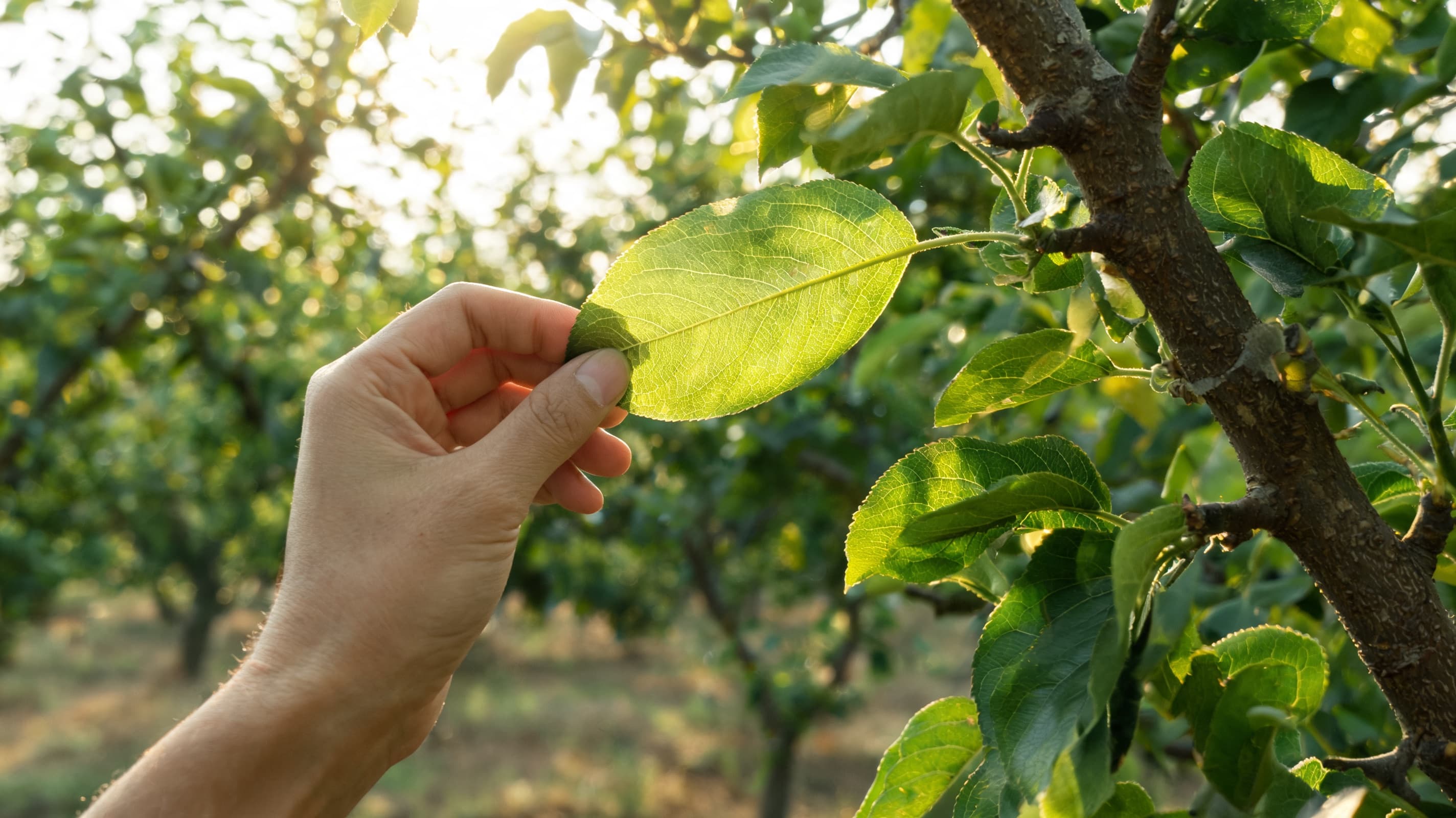
- Thinking only in NPK terms. Micro-element deficiencies limit yield more often than macro-element shortages. Leaf analysis is recommended twice yearly.
- Spraying foliar fertilizer in the afternoon. Leaf stomata close in high heat; application causes burn. Early morning or late afternoon are the correct times.
- Treating organic inputs as "luxury." Humic/fulvic acid, seaweed extracts, amino acids — these protect soil structure and stress tolerance throughout the season. They are a strategic investment, not an afterthought.
The Markka Genetik Approach
At Markka Genetik, we recommend not a single fertilizer but a program for the season. Selecting 5-7 products from our 84-item portfolio simplifies grower decisions and brings costs under control.
Our Antalya AOSB Döşemealtı facility produces 50,000 tons annually and exports to 30+ countries across 4 continents (Middle East, Balkans, Central Asia, Africa). Our Turkish Ministry of Agriculture-registered formulations are produced to international standards.
To reach an authorized distributor in your region or request a program consultation, our WhatsApp line +90 242 424 82 91 and [email protected] are open.
Frequently Asked Questions
How often should soil analysis be refreshed? For greenhouse production, every season — at least once yearly, ideally twice (start and mid-season). In greenhouses irrigated with brackish well water, analysis every 3 months is advisable.
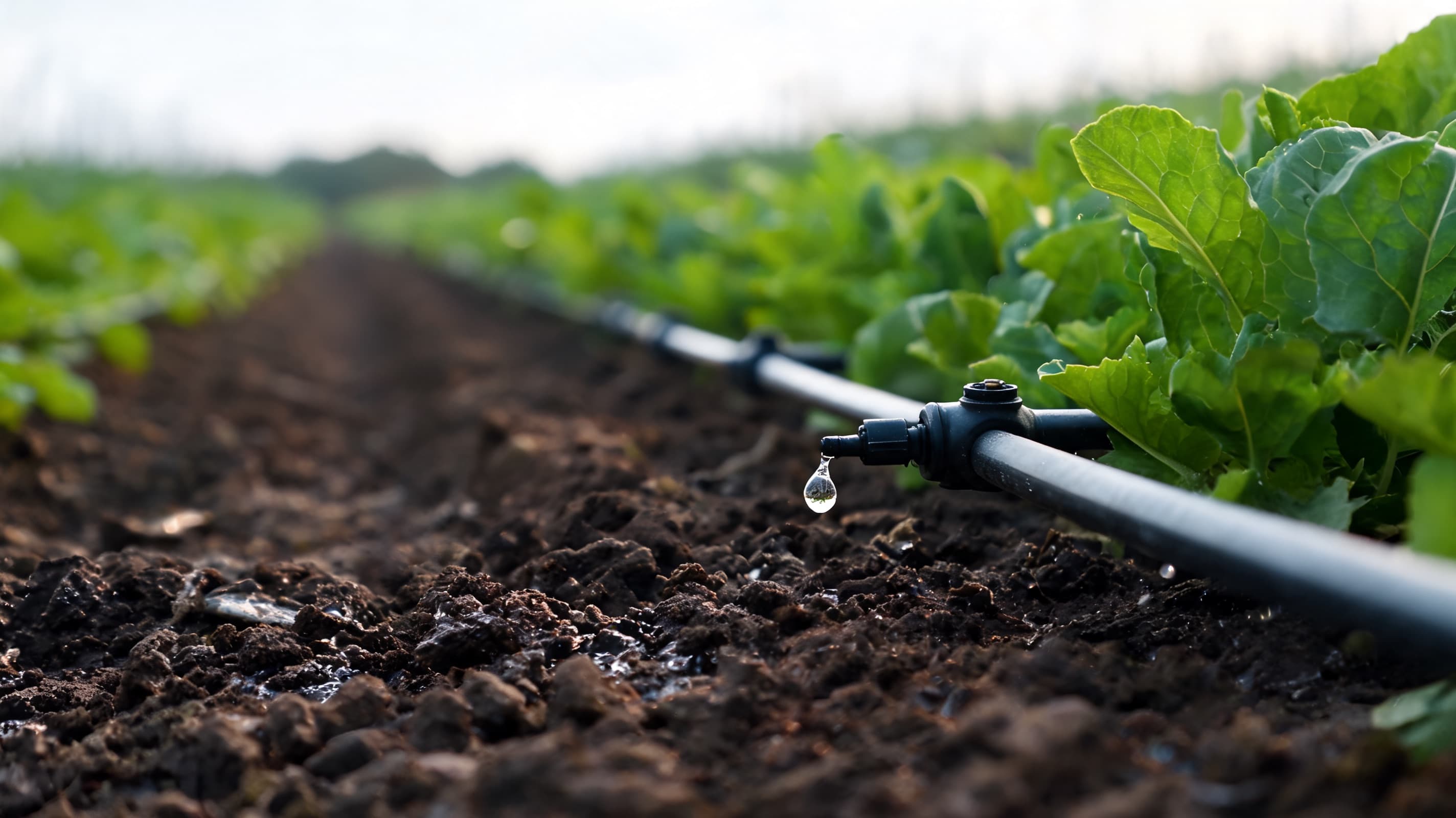
What if my drip irrigation EC exceeds 2.5 mS/cm? First test the source water — if well water naturally has high salt content, reduce the EC contribution from fertilizer so total EC stays below 2.5. If this is not sufficient, consider rainwater/municipal water blending or reverse osmosis.
Foliar fertilizer or fertigation — which is more effective? They serve different purposes. Fertigation provides continuous, systemic nutrient flow and meets the bulk element demand. Foliar fertilizer delivers the fastest correction of acute deficiencies — yellowing, blossom drop, micro-element shortage. An optimal program uses both.
Is one formula such as 20-20-20 sufficient for the entire season? No. 20-20-20 suits the vegetative stage; flowering requires phosphorus-dominant blends (15-30-15); ripening calls for potassium-dominant blends (12-12-36 or MKP). A single formula equals limited yield.
Can organic and chemical fertilizers be used together? Yes — and combined use is in fact the most effective approach. Organic inputs (humic/fulvic, seaweed) support soil structure, microbial activity, and element availability; chemical fertilizers meet the plant's immediate elemental needs. They are complementary, not rival.
What fertilizers should I choose for greenhouse soil with pH 8? For high pH, prioritize chelated micro-element products — especially Fe-EDDHA (Markka Ferroling). Ammonium-form nitrogen (Markka AN) gradually lowers pH. Long-term, sulfur application combined with organic matter input (Doca-22 humic acid) helps balance pH.
Should I correct blossom drop with boron or calcium? Which is deficient is identified by leaf analysis. As a first symptom-based diagnosis: deformed leaves + bud death → boron; darkened lower fruit ends (blossom end rot) → calcium. In practice, combined foliar applications (Markka Master B-Mg or Calciphine + Markka Phosphorus with B) are common during greenhouse flowering.
Conclusion
Greenhouse cultivation is one of the few agricultural disciplines where the grower retains full control. The key to that control is a balanced, stage-appropriate, continuously-measured plant nutrition program. Good seasons happen by chance — consistent yield happens by plan.
With 20+ years of production experience in Antalya, Markka Genetik continues to serve greenhouse growers from season-start planning through post-harvest soil rehabilitation.
Free program consultation: [email protected] · +90 242 424 82 91 · markkagenetik.com.tr