Calcium Deficiency in Plants: Symptoms and Solutions
Calcium deficiency is a condition where plants cannot absorb sufficient calcium (Ca), leading to weakened cell walls, deformed new leaves, and deterioration of fruits. This deficiency manifests particularly in calcium-demanding crops such as tomatoes, peppers, apples, and lettuce through blossom end rot, leaf curling, and fruit malformation.
As one of the most common nutrient deficiencies in greenhouse and open-field production, calcium insufficiency directly impacts product quality and yield. Research shows that correcting calcium deficiency can extend fruit shelf life by up to 40% and increase market value by 25-30%. In this guide, we will examine the symptoms and causes of calcium deficiency and how it can be addressed with our micronutrient fertilizers.
What Does Calcium Do in Plants?
Calcium is classified as a secondary macronutrient in plant nutrition, yet its functions are indispensable:
- Cell wall structure: Calcium acts as "cement" in the cell wall, binding pectin molecules together as calcium pectate. This gives fruits firmness, durability, and extended shelf life.
- Membrane integrity: It regulates cell membrane permeability. When calcium is deficient, membranes break down, causing cellular fluid leakage and tissue death (necrosis).
- Root development: It plays an active role in meristematic tissues at root tips. Plants with adequate calcium develop 20-35% stronger root systems.
- Enzyme activation: It participates in the activation of over 40 enzymes, particularly mobilizing plant defense mechanisms under stress conditions.
- Signal transduction: It serves as a secondary messenger within cells, playing a critical role in the plant's response to environmental conditions (temperature, drought, disease).
Important note: Calcium is an immobile element in plants. Once absorbed by roots, calcium cannot be transported from leaves to fruits or young tissues. This is why calcium deficiency always appears first in young leaves and developing fruits.
Symptoms of Calcium Deficiency
Calcium deficiency shows different symptoms depending on the plant species. Here are the most common signs in widely cultivated crops:
Calcium Deficiency in Tomatoes
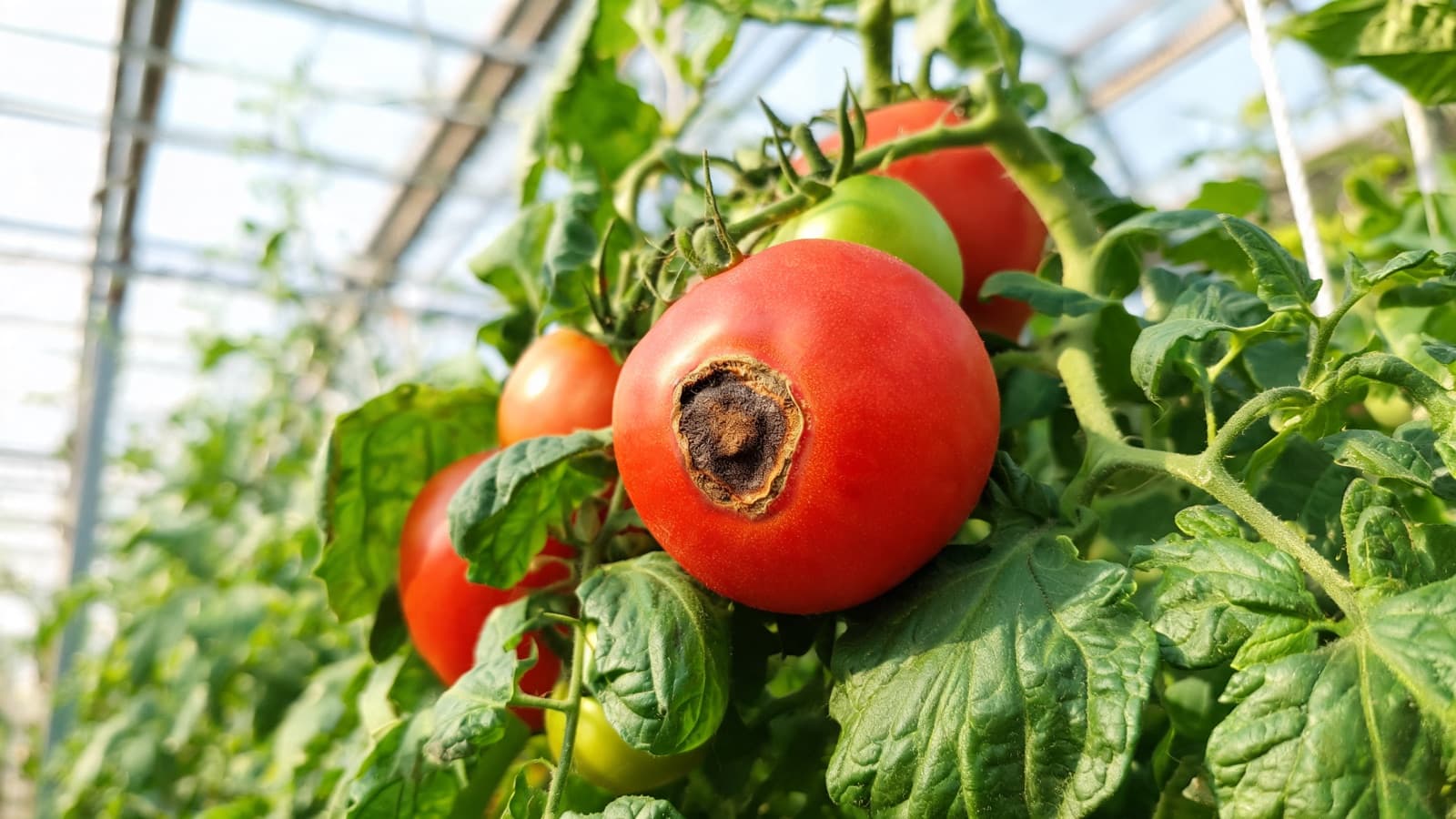
- Blossom end rot: Watery, dark brown-black spots form at the bottom of the fruit. The spot dries out and sinks inward over time.
- Edges of young leaves become brittle and appear scorched.
- Fruit flesh develops a hard, gritty texture.
- Death of growing points (apical necrosis) is observed.
- Curled leaves appear and new shoots become deformed.
Calcium Deficiency in Peppers
- Brown, watery decay begins at the fruit tip (similar to tomatoes).
- Leaf edges curl upward.
- Fruit shape becomes distorted, producing misshapen and defective fruits.
- In severe cases, flower drop increases.
Calcium Deficiency in Apples
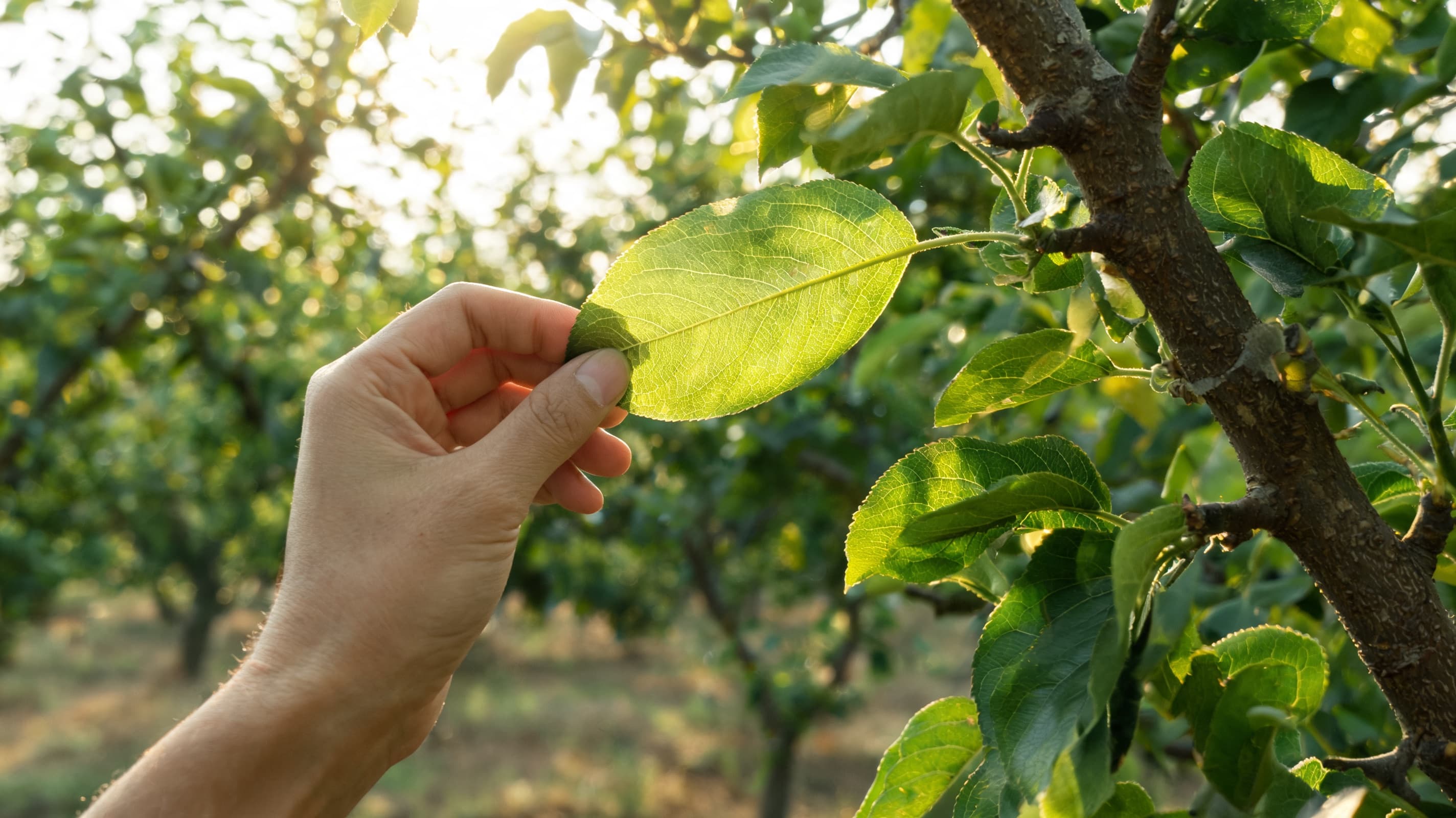
- Bitter pit: Brown spots 2-4 mm in diameter with a bitter taste form beneath the fruit skin.
- Fruit flesh becomes corky, brittle, and gritty in texture.
- Symptoms worsen during storage. Spots invisible at harvest appear in cold storage.
- Fruit shelf life shortens, with economic losses ranging from 15-40%.
Calcium Deficiency in Lettuce and Leafy Vegetables
- Tip burn: Inner leaf edges turn brown and dry out.
- Head formation problems occur, producing loose and scattered heads.
- Leaf edges appear glassy (translucent), then become necrotic.
- Symptoms intensify especially in hot weather and during rapid growth periods.
Causes of Calcium Deficiency
Calcium deficiency does not always result from a lack of calcium in the soil. In most cases, there is sufficient calcium in the soil, but the plant cannot absorb it. Here are the main causes:
1. Soil pH Imbalance
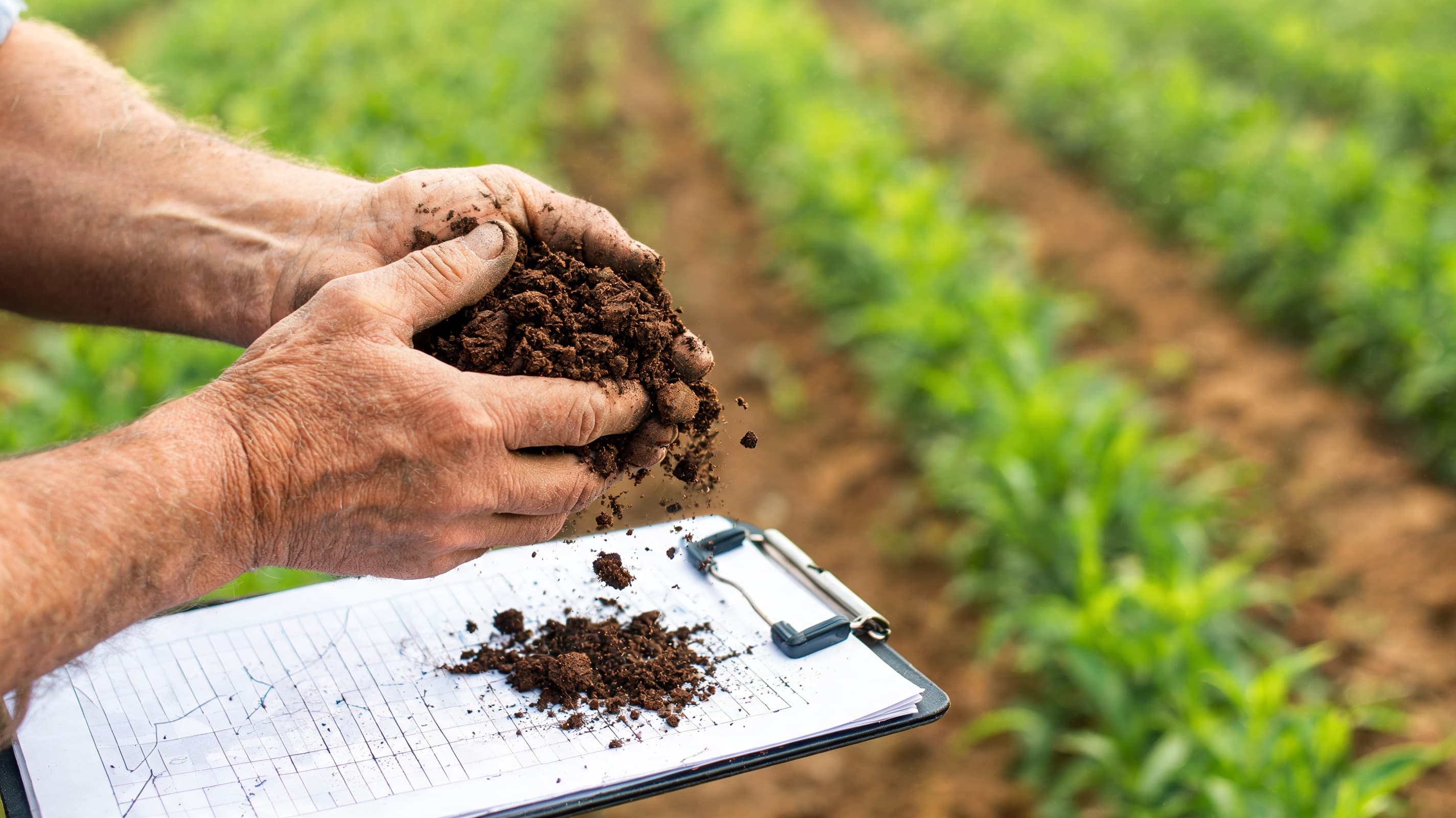
When soil pH drops below 6.0, calcium availability decreases. In acidic soils, calcium leaches into lower layers and moves away from the root zone. For optimal calcium uptake, soil pH should be in the 6.2-7.0 range. Applying fertilizer without soil analysis can deepen rather than solve the problem.
2. Over-Irrigation and Irregular Water Management
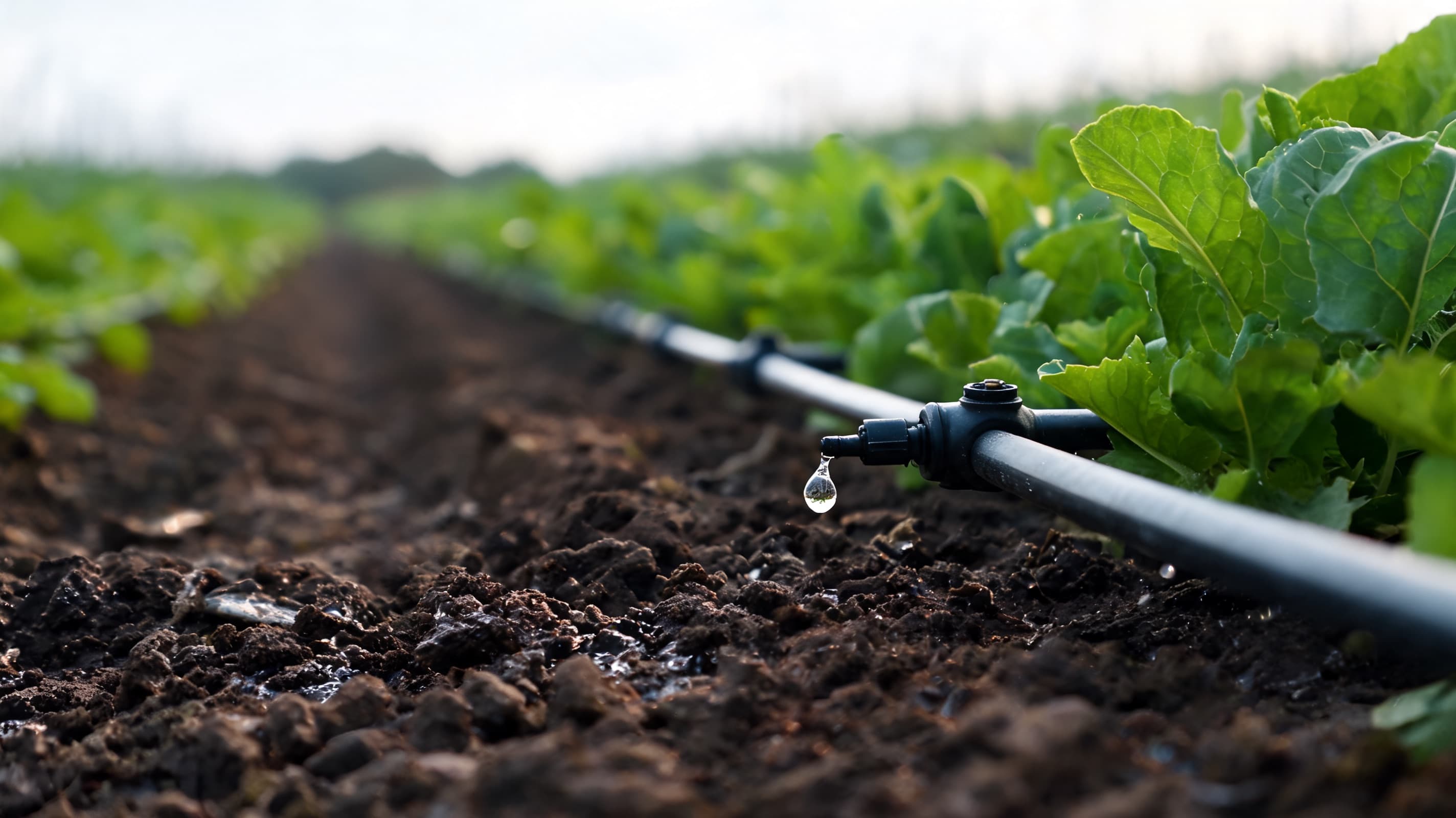
Calcium is transported in plants through xylem (wood vessels) and transpiration flow. Under excessive irrigation or high humidity conditions, transpiration decreases and calcium cannot reach the fruits. Particularly in greenhouses with humidity above 90%, calcium transport virtually stops.
Irregular irrigation creates the same effect: wet-dry cycles disrupt root pressure and block calcium uptake.
3. Excess Potassium and Magnesium
Potassium (K), magnesium (Mg), and ammonium (NH4+) ions have an antagonistic (competitive) relationship with calcium. Excess potassium and magnesium in soil directly block root calcium uptake. When the K/Ca ratio exceeds 1:10, calcium uptake is severely reduced. This is why balanced fertilization programs are critically important.
4. Root Zone Problems
- Soil compaction restricts root development and reduces calcium uptake.
- Nematodes and soil-borne diseases impair root function.
- Soil salinity (EC > 4 dS/m) creates osmotic stress that blocks calcium uptake.
5. Rapid Growth Periods
During rapid growth periods, calcium demand increases. Especially during fruit set and growth stages, calcium demand peaks while root uptake may not keep up. Foliar calcium supplementation during this period makes a significant difference.
How to Correct Calcium Deficiency
There are three main application methods to correct calcium deficiency. The most effective results are achieved when these methods are used together.
1. Soil Application
Preferred for adjusting soil pH and creating long-term calcium reserves:
- Calcium nitrate: Fast-acting, water-soluble. Applied at 15-25 kg/decare via drip irrigation.
- Liming (CaCO3): For pH correction in acidic soils. 100-300 kg/decare based on soil analysis. Effect starts slowly (4-8 weeks).
- Gypsum (CaSO4): Provides calcium without changing pH. Preferred in saline and sodic soils.
2. Foliar Application
Because calcium is immobile, foliar application is the most effective way to deliver calcium directly to fruits and young tissues. Calciphin provides fast and effective results in foliar application with its high-concentration calcium content.
- Applied at 200-300 ml/100 L water at 7-10 day intervals.
- Spraying should be done in early morning or cool evening hours.
- Starting after flowering and continuing throughout the fruit growth period.
- Foliar calcium application shows 30% faster effect compared to root uptake.
3. Fertigation (Drip Irrigation Application)
The most common and efficient method in modern agriculture. Calcium fertilizers are mixed into irrigation water and applied directly to the root zone:
- Irrigation water pH should be maintained at 5.5-6.5.
- Calcium-containing fertilizers should never be mixed in the same tank with phosphate and sulfate fertilizers (precipitation risk).
- Weekly application of 3-5 kg/decare calcium nitrate is recommended.
- EC (electrical conductivity) values should be monitored regularly.
Blossom End Rot in Tomatoes
Blossom end rot is the most well-known and widespread consequence of calcium deficiency. Particularly seen in tomatoes, peppers, eggplant, melons, and watermelons, this problem causes losses of up to 10-15% of production value annually.
How Does It Occur?
During rapid fruit growth (2-3 weeks after flowering), calcium demand reaches its peak. When calcium uptake is insufficient during this period, cells at the blossom end (bottom) of the fruit begin to die. It starts as a watery, light-colored spot that gradually turns into a dark brown-black depression.
Risk Factors
- Irregular irrigation (wet-dry cycles) is the greatest risk factor
- Excessive use of nitrogen in ammonium form (NH4+ competes with calcium)
- Soil salinity and high EC values
- Fast-growing, high-vigor varieties are more susceptible
- High temperature (>35°C) and low humidity combination in greenhouses
Treatment Protocol
- Regulate your irrigation schedule: Water little and often, maintain soil moisture at 70-80% field capacity.
- Apply foliar calcium: Weekly foliar spraying with Calciphin.
- Apply soil calcium: Regular calcium nitrate application via drip irrigation.
- Check potassium balance: Have the K/Ca ratio analyzed.
- Apply mulching: Maintains soil moisture balance and regulates transpiration flow.
Which Fertilizer, When to Apply?
The table below shows our recommended fertilizer products for calcium deficiency, application times, and dosages:
| Product | Application Method | Dosage | Application Time | Frequency |
|---|---|---|---|---|
| Calciphin | Foliar spray | 200-300 ml / 100 L water | Post-flowering to pre-harvest | Every 7-10 days |
| Calciphin | Drip irrigation | 2-4 L / decare | Fruit set period | Weekly |
| VIP K 31 | Foliar / Drip irrigation | 200-300 ml / 100 L water (foliar) or 2-3 L/decare (drip) | Fruit ripening period | Every 10-14 days |
| Master Comp (Calcium Nitrate) | Soil / Drip irrigation | 15-25 kg / decare | Start of vegetation | Every 2-3 weeks |
Important notes:
- Calcium fertilizers should not be mixed with phosphorus and sulfate fertilizers in the same tank.
- Foliar application should not be done during hot hours; early morning or late afternoon is preferred.
- Dosages should be adjusted based on soil analysis results. General recommendations are for guidance only.
- VIP K 31 is an ideal solution for optimizing the potassium and calcium balance together. It provides potassium supplementation alongside calcium support during the fruit ripening period.
Conclusion
Calcium deficiency is a nutrient deficiency that can be completely prevented with early diagnosis and proper intervention. The key lies in three steps: diagnose the need through regular soil analysis, support calcium transport with a balanced irrigation program, and address the deficiency with combined foliar and soil application.
At Markka Genetik, we have been providing scientific solutions to farmers across Turkey with over 58 fertilizer formulations produced at our modern facilities in Antalya AOSB since 2006. Calciphin, specially developed for calcium deficiency, and VIP K 31, which enhances fruit quality, are trusted in over 30 countries.
To create a custom fertilization program based on your soil analysis results or to receive technical support, contact us. Our agricultural engineers are ready to prepare a calcium management plan tailored to your field.